Plantation Lily Varieties and Cultivars Compared
Why Cultivar Choice Matters in the Hosta Family
Not all variegated hostas are built the same. Even among dark-green-and-white cultivars, the margin width, leaf texture, mature spread, and growth pace shift dramatically where and how well a plant fits in your garden. Plantation Lily 'Patriot' is one option: bold white edges framing dark green, a medium footprint, and a slow-to-moderate growth rate that fills out in 3 to 4 years. But if you are choosing between 'Patriot' and its cousins, understanding what sets them apart makes the difference between a plant that thrives and one that overwhelms or underwhelms your space.
Plantation Lily 'Patriot' at a Glance
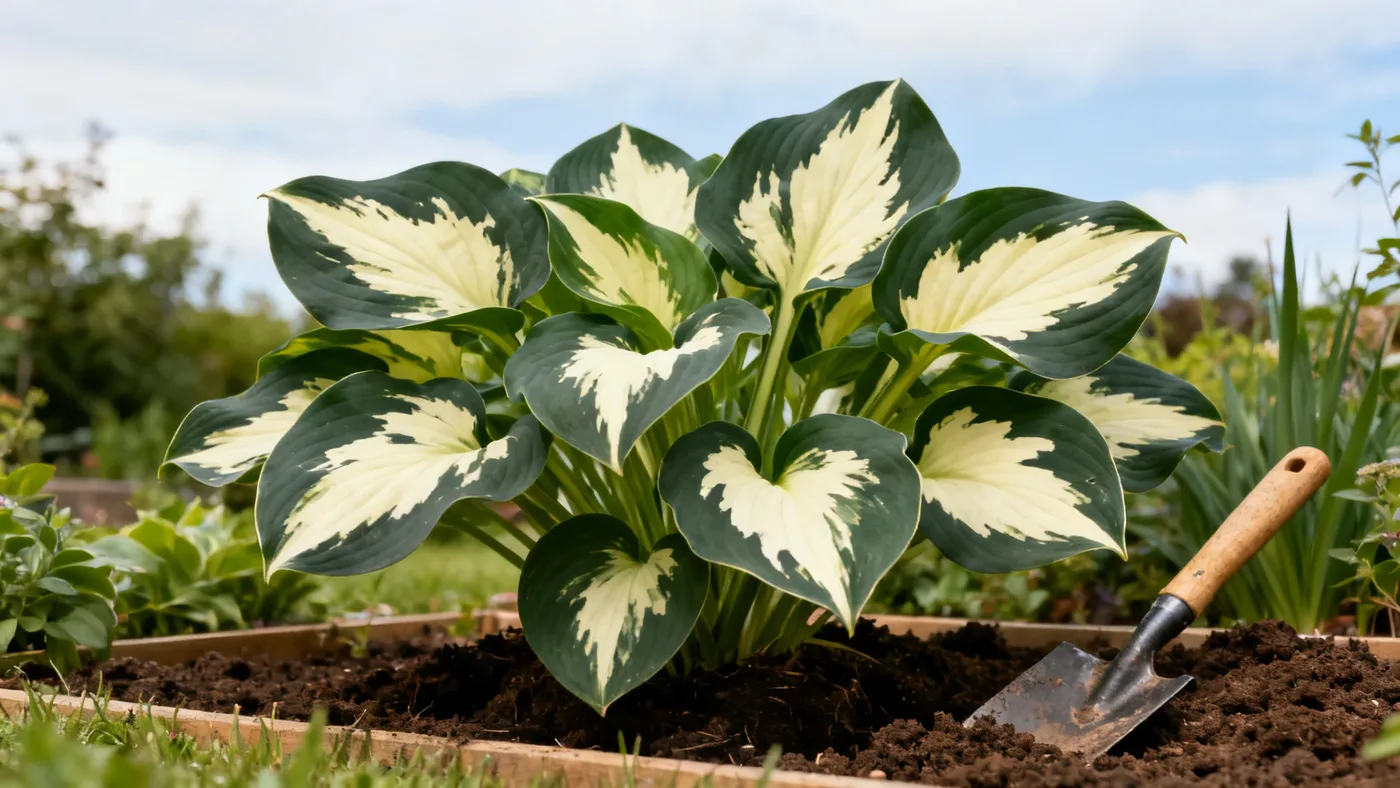
Hosta 'Patriot' is a shade perennial with large, heart-shaped dark green leaves edged in wide, irregular creamy-white to cream-gold margins. The foliage mound stands 18 to 24 inches tall and spreads 24 to 36 inches wide at full maturity, which takes 3 to 4 years to achieve. Flower scapes rise to 28 to 30 inches in mid to late summer, carrying pale lavender to near-white blooms. The plant is hardy in USDA zones 3 through 9 and thrives in part shade to full shade with consistent moisture of about 1 inch per week, rich humus-heavy loam, and a soil pH between 6.0 and 7.0. It grows at a slow to moderate rate, gaining roughly 2 to 4 inches of spread per year.
How Plantation Lily 'Patriot' Stacks Up Against Other Hosta Cultivars
The hosta genus offers dozens of named cultivars, but the ones most likely to be considered as alternatives to or confused with 'Patriot' cluster into two groups: variegated medium-sized types and large solid-colored specimen plants. Here is how the main contenders compare.
| Cultivar | Leaf Size and Character | Variegation | Mature Width | Growth Rate | Best For |
|---|---|---|---|---|---|
| Hosta 'Patriot' | Large, heart-shaped | Dark green with wide, irregular cream-white to cream-gold margins | 24 to 36 inches | Slow to moderate; 2 to 4 inches per year | Mixed borders, shade edging, containers, layered plantings |
| Hosta 'Francee' | Large, heart-shaped | Dark green with narrow white margin | Similar to 'Patriot' | Slow to moderate | Gardeners who prefer subtle, restrained variegation |
| Hosta 'Minuteman' | Large, heart-shaped | Dark green with brighter white margin | Slightly smaller than 'Patriot' | Slow to moderate | Tight spaces, containers, high-contrast plantings |
| Hosta sieboldiana 'Elegans' | Very large, deeply textured, blue-green | Solid color, no variegation | Noticeably larger than 'Patriot' | Slow | Woodland specimens, broad shade beds, focal points |
| Hosta 'Frances Williams' | Very large, blue-green | Golden-yellow margins on blue-green | Noticeably larger than 'Patriot' | Slow | Large shade gardens, golden accent plantings |
| Hosta 'Sum and Substance' | Very large, thick, waxy | Solid color, no variegation | Noticeably larger than 'Patriot' | Slow | Shade specimens, slug-resistant plantings |
Direct Comparisons: Which Hosta Is Right for You
Plantation Lily 'Patriot' vs. Hosta 'Francee'
'Patriot' is a sport (a spontaneous genetic mutation) of 'Francee', meaning 'Patriot' arose in cultivation from a 'Francee' plant. Both have dark green foliage with white edges, but the margin tells the story. 'Francee' carries a narrow, delicate white frame, while 'Patriot' displays wide, irregular creamy-white to cream-gold borders that command attention even in dim shade. If you want bold variegation that reads clearly from across the garden, 'Patriot' delivers visual impact. If you prefer restrained, sophisticated variegation that whispers rather than shouts, 'Francee' offers quiet elegance. Both mature to similar widths (24 to 36 inches), share the same hardy zones (3 through 9), and require identical care. The choice is purely aesthetic and personal.
Plantation Lily 'Patriot' vs. Hosta 'Minuteman'
'Minuteman' also pairs dark green with white-margin variegation, but here the margin is brighter and crisper white compared to 'Patriot's creamy tone. 'Minuteman' tends to mature slightly smaller than 'Patriot', making it the better fit for gardeners with narrow borders, small shade beds, or a preference for large containers. Both are variegated, both are hardy in zones 3 through 9, and both prefer part shade to full shade with consistent moisture. The practical difference: if your space is tight and you want hosta character without the full 24 to 36 inch spread, 'Minuteman' is worth seeking. If you have the room and prefer cream-toned margins, 'Patriot' fills the bill. Neither outperforms the other in pest resistance or care requirements.
Plantation Lily 'Patriot' vs. Large-Leaved Types ('Elegans', 'Frances Williams', 'Sum and Substance')
These three cultivars are in a different weight class. Hosta sieboldiana 'Elegans' is a textured blue-green solid (no variegation) with leaves that dwarf 'Patriot' in size and substance. Hosta 'Frances Williams' layers golden-yellow margins over blue-green for a completely different color story. Hosta 'Sum and Substance' is bred for the thickest, waxiest leaves in the genus, offering some slug resistance that smaller cultivars lack. All three mature well beyond 'Patriot's footprint and are best deployed as specimens in woodland gardens, large shade borders, or architectural anchors in sweeping shade beds. They are slower growers overall and demand more space. If your shade bed is modest in size, 'Patriot' is the logical choice. If you have a large woodland or a shady corner begging for a bold feature, the big types earn their place.
Pros and Cons: Making Your Final Call
Plantation Lily 'Patriot'
Pros:
- Wide, irregular creamy-white to cream-gold margins deliver bold visual impact even in shade
- Medium mature size (24 to 36 inches wide) fits most residential shade beds without overwhelming
- Slow to moderate growth reaches full clump in 3 to 4 years, giving you time to plan around it
- Large heart-shaped leaves create rich texture and layering in mixed plantings
- Hardy across a broad range (zones 3 through 9) from cold to warm climates
- Thrives in containers with good drainage and consistent moisture
- Pairs well with ferns, astilbe, brunnera, and other shade perennials
Cons:
- Poor deer resistance; hostas are preferred browse and 'Patriot' offers no notable advantage
- Vulnerable to slug and snail damage; requires monitoring and active management in wet seasons
- Not fragrant, unlike some species hostas (e.g., Hosta plantaginea)
- Requires consistent moisture; does not tolerate prolonged drought well once established
- Slow initial establishment; best results demand patience over the first 3 to 4 years
- Some risk of foliar nematodes and Hosta Virus X (HVX) if conditions favor disease
Hosta 'Francee'
Pros:
- Narrow, refined white margin appeals to gardeners seeking understated elegance
- The parent cultivar of 'Patriot'; deeply established in the nursery trade and reliable
- Shares the same hardiness, care needs, and growth rate as 'Patriot'
Cons:
- Less visual pop if you specifically want bold white-margin contrast from a distance
- Identical pest and disease pressures as 'Patriot'; no advantage in slug or deer resistance
Hosta 'Minuteman'
Pros:
- Brighter, crisper white margin offers clean, high-contrast variegation
- Smaller mature footprint (slightly less than 'Patriot') fits tight borders and containers better
- Easier to place in modest shade gardens without risk of overcrowding neighbors
Cons:
- Less leaf area overall if you want bold foliage coverage and mounding presence
- Shares all hosta vulnerabilities: slug, snail, and deer browse; no resistance advantage
Large-Leaved Types ('Elegans', 'Frances Williams', 'Sum and Substance')
Pros:
- Dramatic, oversized leaves (blue-green, golden-edged, or thick and waxy) create true statement-plant impact
- Built for large woodland gardens and sweeping shade beds where size is an asset
- 'Sum and Substance' has notably thick, waxy leaves offering some slug resistance compared to thin-leaved types
Cons:
- Mature spread well exceeds 'Patriot'; require significant dedicated space
- Slow growth means a longer wait (5+ years) for full clump development
- Not suited to containers, small shade beds, or tight foundation plantings
- Still vulnerable to deer browse and fungal diseases; size alone does not guarantee pest-free performance
Which Hosta Cultivar Should You Plant?
Best Choice: Bold Variegation and Medium Size
Plantation Lily 'Patriot' is the answer. The wide, cream-gold margins deliver visual clarity in shade gardening, and the 24 to 36 inch mature spread is proportionate to most residential beds. For complete care details, consult our full growing guide. Pair 'Patriot' with shade ferns, astilbe, heuchera, and Japanese painted fern to build a layered, textured planting that reads as intentional and cohesive.
Best for Refined Elegance
Hosta 'Francee' delivers if you value restraint. The narrower white margin and the same hardy, shade-loving character make it ideal for formal gardens or gardeners who interpret sophistication as understatement rather than boldness.
Best for Tight Spaces and Bright Contrast
Hosta 'Minuteman' shines when space is constrained. The brighter white margin and slightly smaller mature spread make it the go-to cultivar for narrow foundation beds, compact shade gardens, and hosta lovers working with large containers. The crisp contrast reads well in dim light without the footprint of 'Patriot'.
Best for Large Woodland or Shade Bed Specimens
Reserve Hosta sieboldiana 'Elegans', 'Frances Williams', and 'Sum and Substance' for generous shade spaces where their very large leaves are an asset, not a liability. These are focal-point plants for gardeners with room to let them sprawl and the patience to wait 5 or more years for full development.
Core Growing Conditions Are Universal Across All Variegated Hostas
Whether you choose 'Patriot', 'Francee', 'Minuteman', or venture into the large-leaved territory, the fundamentals do not change. All need part shade to full shade to prevent leaf scorch (morning sun in cooler climates is tolerable; hot afternoon sun in warm regions will bleach and damage leaves). All require consistent moisture of about 1 inch per week, more in sandy soil or extended heat. All prefer rich, humus-heavy, well-drained loam with a soil pH between 6.0 and 7.0. Space plants 24 to 36 inches apart center to center. All are hardy in zones 3 through 9. All share the same pest profile: slugs, snails, deer, foliar nematodes, and occasional Hosta Virus X. Avoid heavy nitrogen fertilizing, which weakens variegation; instead, apply a light balanced slow-release fertilizer in early spring or top-dress with compost. In late fall after frost or early spring before new growth emerges, cut back and remove dead foliage. Deadhead spent flower scapes for tidiness if desired.
Quick Reference: Choose Your Plantation Lily Cultivar
| Your Garden Priority | Best Cultivar | Key Trait |
|---|---|---|
| Bold white margins, medium spread, mixed borders | Plantation Lily 'Patriot' | 24 to 36 inches wide, wide cream-gold edges, 3 to 4 year maturity |
| Subtle, refined white margin | Hosta 'Francee' | Narrow white edge, similar size and care to 'Patriot' |
| Tight space or large container, bright contrast | Hosta 'Minuteman' | Smaller spread, brighter white margin, container-friendly |
| Textured specimen, woodland shade | Hosta sieboldiana 'Elegans' | Very large blue-green leaves, solid color, slow growth |
| Golden variegation, large shade bed | Hosta 'Frances Williams' | Very large leaves, golden margins, blue-green base, specimen scale |
| Thick leaves, slug resistance | Hosta 'Sum and Substance' | Largest leaves in the genus, waxy texture, solid color |
For guidance on watering schedules and moisture management specific to your climate and soil, refer to our detailed watering resource. Once you have chosen your cultivar, consistent care and patience reward you with decades of reliable shade performance.