Plantation Lily Care: The Complete Growing Guide
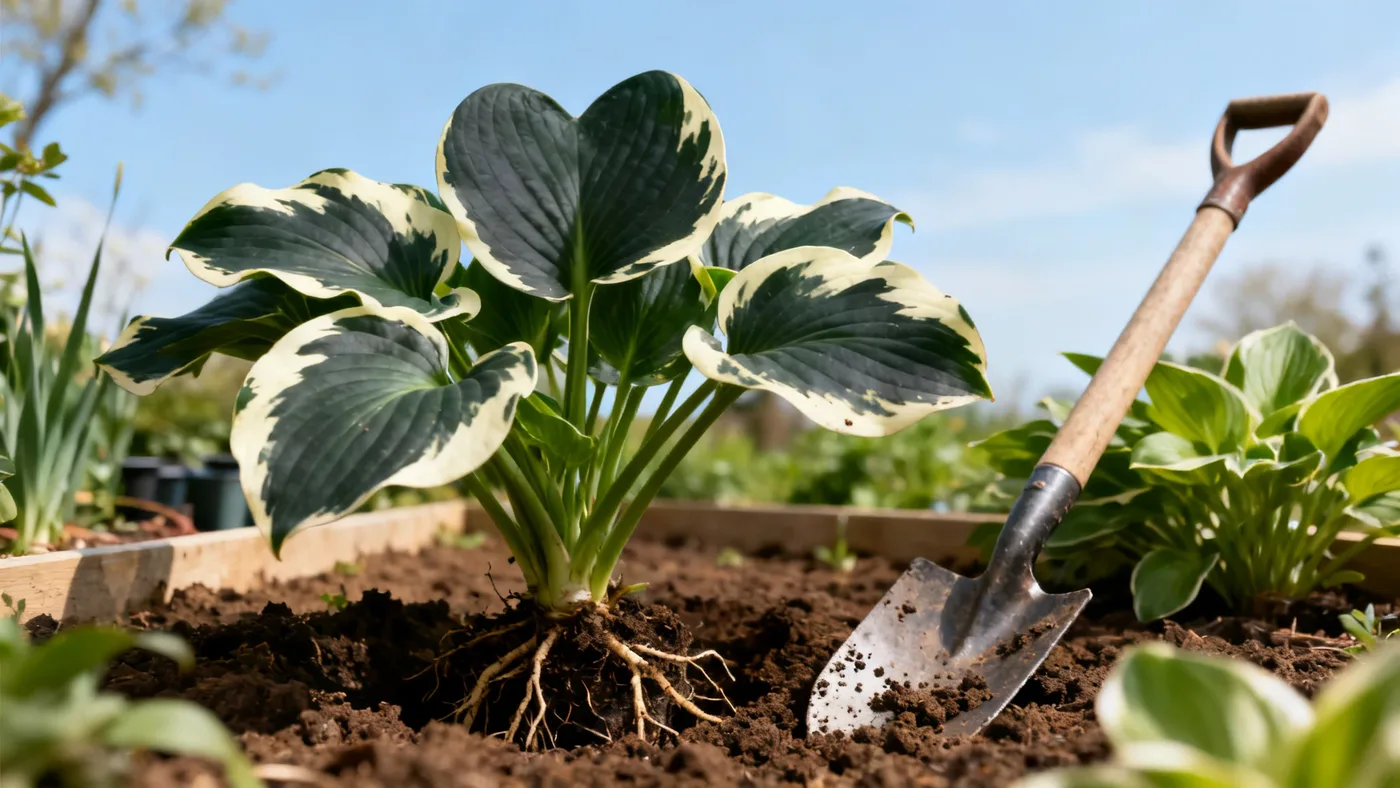
Plantation Lily, botanically known as Hosta 'Patriot', stands out as one of the most reliable shade perennials for home gardens and landscaping. Its broad heart-shaped leaves with creamy-white marginal variegation bring reliable color and texture to shaded corners where few other plants thrive. This guide covers everything you need to know to grow healthy, vigorous Plantation Lilies from planting through maturity.
Table of Contents
- Getting to Know Plantation Lily
- Light and Site Selection
- Soil Preparation and Planting
- Watering and Moisture Management
- Fertilizing and Feeding
- Pest, Disease, and Problem Management
- Seasonal Care Calendar
- Propagation and Division
- Companion Plants and Garden Design
Key Takeaways
- Plantation Lily thrives in USDA zones 3 through 9 and reaches mature size in 3 to 4 years.
- This cultivar needs consistent moisture of about 1 inch per week, with afternoon shade protection in hot regions.
- Rich, well-drained soil amended with compost ensures the strongest foliage and vigor.
- Slugs and snails are the primary pest concern; deer browse is also common.
- Division every 5 to 6 years rejuvenates older clumps and multiplies your plantings.
Getting to Know Plantation Lily
Plantation Lily is a herbaceous perennial that has earned its place in gardens for more than a century. The 'Patriot' cultivar is a sport of 'Francee', bearing similar dark-green foliage with irregular white margins, though the margins on 'Patriot' are notably wider and more prominent. Your mature plant will reach 18 to 24 inches in height with a spread of 24 to 36 inches.
Growth Rate and Maturity
Expect your Plantation Lily to expand by roughly 2 to 4 inches per year. Young divisions or small nursery plants typically bloom by their second or third year, though full foliage presence may not be evident until year three or four. A well-sited, well-fed Plantation Lily can live 20 years or more with minimal intervention.
Flowers and Bloom Period
Pale lavender to near-white flowers emerge on tall scapes that can reach 28 to 30 inches in mid to late summer, typically July through August depending on your zone. While the blooms are not fragrant, they attract hummingbirds and bees, making them a welcome addition to pollinator-friendly gardens. Deadheading spent scapes keeps the plant looking tidy but is not strictly necessary for plant health.
Light and Site Selection
Shade Requirements
Plantation Lily performs best in part shade to full shade. If you live in a cooler or northern climate within zones 3 through 6, your plant can tolerate more morning sun without issue. In hotter regions (zones 7 through 9), afternoon shade is non-negotiable to prevent leaf scorch, which manifests as brown or bleached patches on the foliage.
Positioning in the Garden
Place Plantation Lily on the shaded north or east side of buildings, under mature tree canopies with dappled light, or in woodland gardens where it receives no more than 2 to 3 hours of direct sun. Avoid planting directly beneath shallow-rooted trees like maples, which compete aggressively for water and nutrients.
Soil Preparation and Planting
Soil Composition
Plantation Lily prefers rich, humus-heavy, well-drained loam with a soil pH between 6.0 and 7.0 (slightly acidic to neutral). If your native soil is heavy clay or predominantly sandy, amend it generously with compost before planting. Work the compost into the top 8 to 10 inches of soil across your entire planting area, not just the planting hole.
Planting Steps
- Dig a planting hole 12 to 14 inches wide and as deep as your root ball.
- Loosen the soil at the bottom of the hole and create a small mound of amended soil in the center.
- Set your plant so the crown (where roots meet foliage) sits at or slightly above soil level. Never bury the crown.
- Backfill with a mix of native soil and compost in equal parts.
- Water thoroughly after planting to settle the soil.
- Apply 2 to 3 inches of mulch, stopping 2 inches away from the crown to prevent rot.
Spacing
Space Plantation Lilies 24 to 36 inches apart, center to center. Use the wider spacing (36 inches) if you prefer quicker canopy closure and fuller-looking beds; closer spacing (24 inches) creates a denser look more quickly but may require more vigilant division in future years.
Watering and Moisture Management
Consistent Moisture is Critical
Plantation Lily does not tolerate prolonged drought. Provide about 1 inch of water per week during the growing season. In sandy soil or during hot spells, water more frequently. Mulching helps retain soil moisture and keeps roots cooler; maintain a 2 to 3-inch layer throughout the growing season.
Watering Best Practices
- Water deeply and slowly to encourage root penetration. Shallow, frequent watering promotes weak surface roots.
- Water at soil level early in the morning or late in the day to reduce foliar diseases.
- Do not allow the soil to dry out completely, but also avoid waterlogging, which invites crown rot.
- In containers, check soil moisture daily during hot weather; potted plants dry out much faster than in-ground plants.
Container Growing
Plantation Lily thrives in large containers filled with rich, well-draining potting mix. Use a pot at least 12 inches in diameter for a single division. Water potted plants more frequently than in-ground plants, as containers dry rapidly. Bring containers in a protected location in very cold climates at the edge of zone 3, or leave them out in zones 4 and warmer.
Fertilizing and Feeding
Plantation Lily is not a heavy feeder. A light application of balanced, slow-release fertilizer in early spring supports vigorous new growth. Alternatively, top-dress the planting area with 1 to 2 inches of compost each spring; this feeds the plant gradually and improves soil structure over time.
Avoid heavy nitrogen applications, which can weaken variegation and promote lush but soft foliage. If you notice yellowing leaves or stunted growth mid-season, apply a diluted balanced fertilizer, but this is rarely necessary in amended soil.
Pest, Disease, and Problem Management
Common Pests
Slugs and snails are by far the most frequent Plantation Lily pest. These mollusks chew irregular holes in foliage, and damage is most obvious in cool, moist springs and summers. Trap them with beer-filled containers set at soil level, hand-pick at dusk, or use copper barriers around individual plants. Diatomaceous earth sprinkled on and around foliage also deters slugs.
Deer view hostas as a preferred browse plant. Plantation Lily offers no greater resistance than other cultivars. If deer pressure is high in your area, install a 6-foot fence around the garden, or use repellent sprays applied every 2 to 4 weeks during the growing season. Foliar nematodes and black vine weevil larvae can also cause damage; good cultural practices (removing dead leaves, avoiding overhead watering) reduce risk.
Diseases
Crown and petiole rot occur in persistently wet soil. Improve drainage, avoid overwatering, and remove affected portions promptly. Hosta Virus X (HVX) causes leaf mottling sometimes mistaken for normal variegation; infected plants should be isolated or removed to prevent spread. Fungal leaf spot and anthracnose are more common in humid climates; prune out affected leaves and improve air circulation.
Toxicity Warning
Plantation Lily is toxic to dogs and cats if ingested, causing vomiting, diarrhea, and lethargy. Keep plantings away from areas where pets browse, and supervise animals in gardens containing hostas.
Seasonal Care Calendar
| Season | Task |
|---|---|
| Spring (April-May) | Apply slow-release fertilizer or compost top-dress as new growth emerges. Remove dead foliage. Divide and transplant if needed. Monitor for slugs and weevils. Water if spring is dry. |
| Summer (June-August) | Maintain consistent moisture, especially during heat waves. Deadhead spent flower scapes if desired. Manage slug pressure. Ensure afternoon shade in zones 7-9. |
| Fall (September-October) | Reduce watering as temperatures drop. Do not fertilize; this promotes tender new growth that frost will damage. Admire fall color; foliage yellows with the first hard frost. |
| Winter (November-March) | Foliage dies back completely. Cut back dead leaves and stems in late fall or early spring before new growth emerges. Mulch stays in place for winter insulation. No active care needed. |
Propagation and Division
Dividing Your Plants
Plantation Lily can be divided in early spring as growth emerges or in early fall when the plant has finished blooming and begun to slow. A mature clump may be divided every 5 to 6 years to rejuvenate vigor and create new plantings. Dig up the entire clump, rinse away soil to expose the crown, and separate divisions so each has at least one growing eye and a few roots attached. Replant immediately in prepared soil and water thoroughly.
Propagation from Seed
Named cultivars like 'Patriot' do not come true from seed; seedlings will revert to their parent forms or exhibit unexpected variegation patterns. Division is the only reliable way to propagate this specific cultivar.
Companion Plants and Garden Design
Plantation Lily pairs beautifully with other shade lovers. Plant it alongside ferns, astilbe, heuchera, brunnera, ligularia, and Japanese painted fern. The large, variegated foliage of Plantation Lily provides a bold textural anchor, allowing fine-leaved companions like ferns to add airiness and movement.
Use Plantation Lily as a mass planting under deciduous trees, as a border and edging plant along woodland pathways, as a foundation planting on shaded sides of buildings, or as a specimen in large containers on a shaded porch. The wide, irregular white margins become more prominent in dappled shade, making the foliage appear to glow even on overcast days.
Quick Reference Checklist
| Requirement | Specification |
|---|---|
| USDA Zones | 3-9 |
| Mature Height | 18-24 inches (foliage mound); flower scapes 28-30 inches |
| Mature Width | 24-36 inches |
| Spacing | 24-36 inches apart, center to center |
| Light | Part to full shade; morning sun OK in cool zones; afternoon shade required in zones 7-9 |
| Soil | Rich, humus-heavy, well-drained loam; pH 6.0-7.0 |
| Water | About 1 inch per week; consistent moisture; no drought tolerance |
| Bloom Time | Mid to late summer (July-August) |
| Bloom Color | Pale lavender to near-white |
| Growth Rate | 2-4 inches spread per year; full size in 3-4 years |
| First Bloom | Year 2-3 |
| Lifespan | 20+ years |
| Primary Pests | Slugs, snails, deer |
| Toxicity | Toxic to dogs and cats if ingested |
| Propagation | Division in early spring or early fall only |