When Does Plantation Lily Bloom? Flower Color and Timing
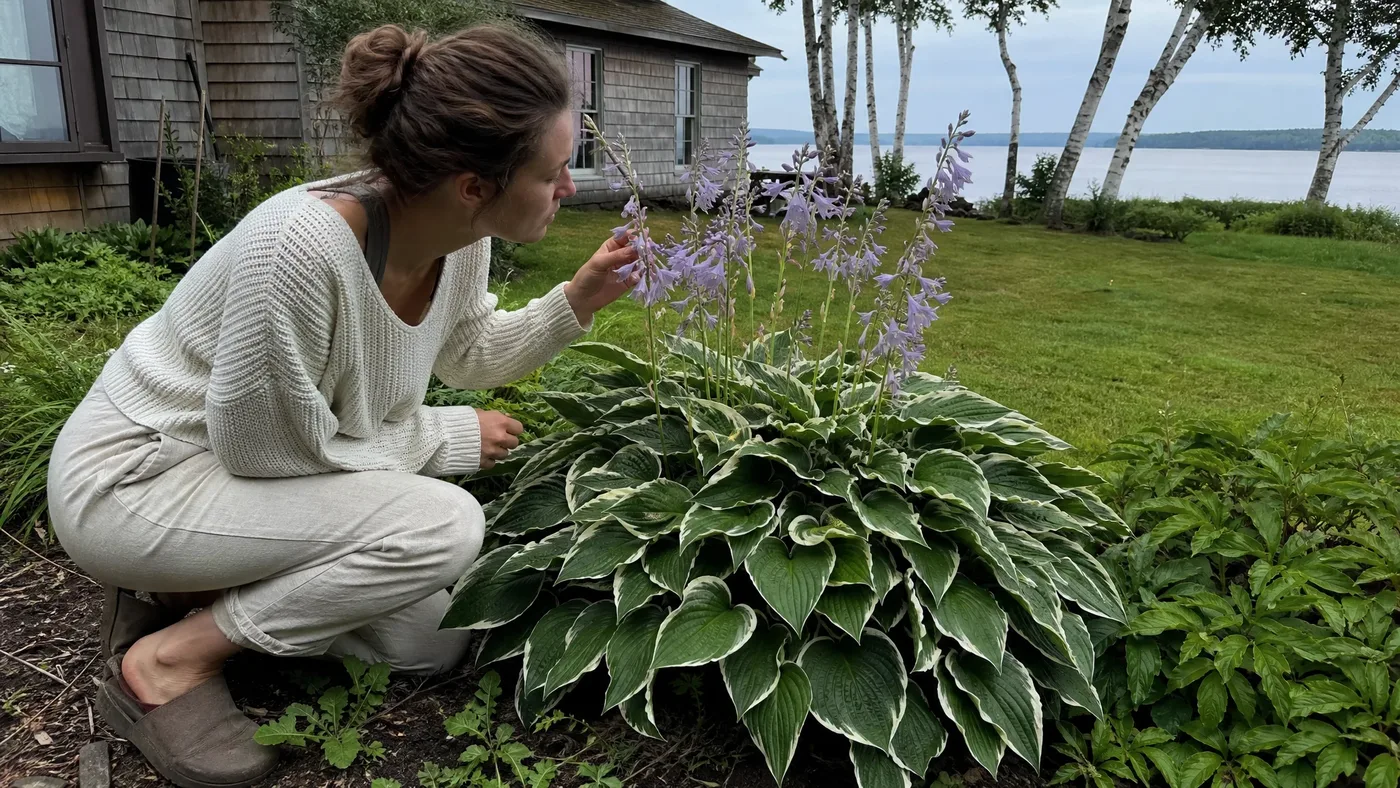
It's early July, and a gardener is crouched beside a Plantation Lily clump with a thumb pressed against a tight green scape, wondering whether anything lavender is really coming. It is. Hosta 'Patriot' flowers every summer, and the plant shows you what it is up to well before the first bell opens.
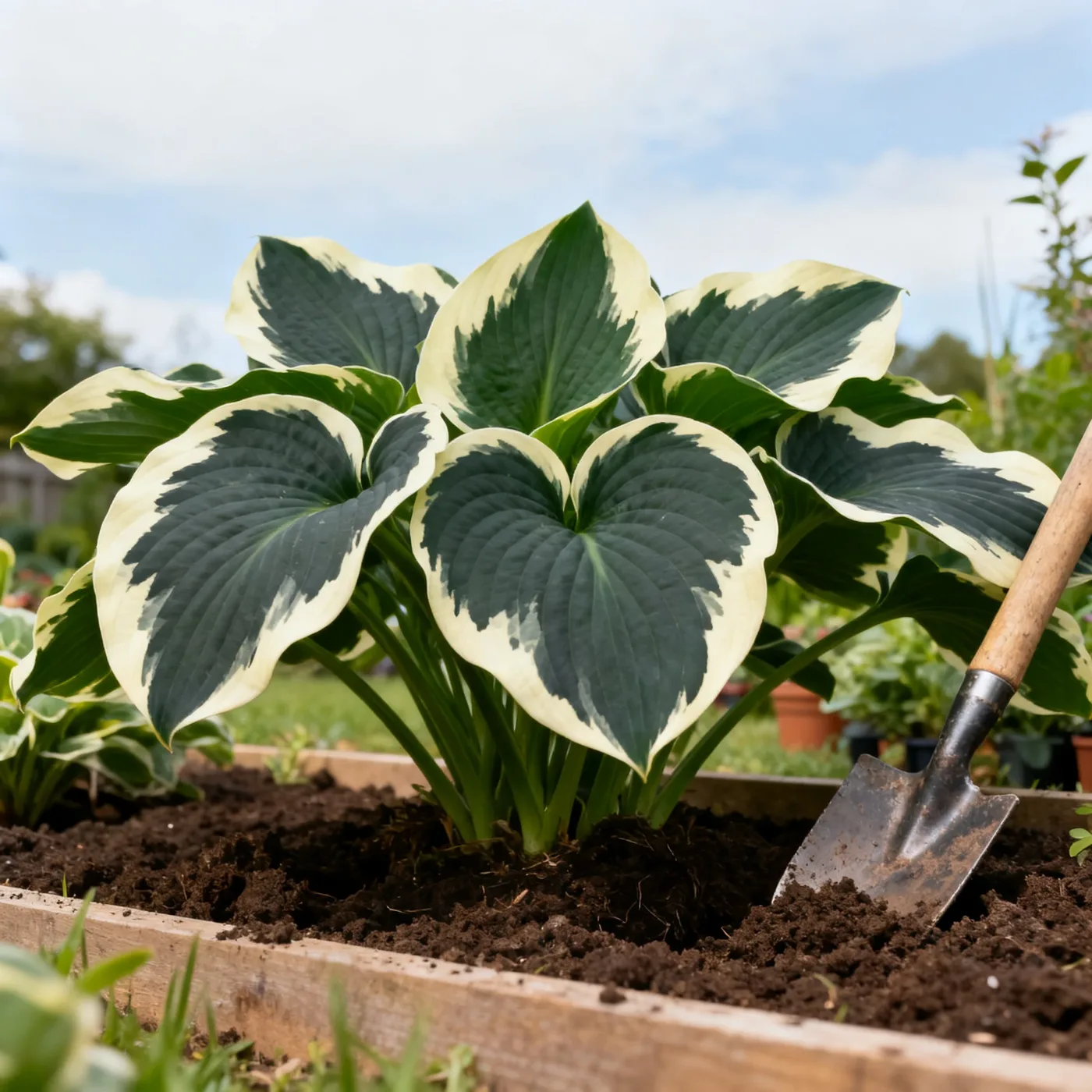
The blooms are not why most people buy this white-edged hosta, but they deserve better than the shrug they usually get. Misread the timing and you cut stalks too early, worry over a plant that is fine, or never notice the bees working it.
We'll walk you through how to read the scape, when the buds open, how the lavender ages and whether you'll smell anything, then what to do with spent stalks, and finally how a cool or hot year moves the dates.
Reading the Scape Before Any Color Shows
Once the leaf mound has filled out, a thin, leafless stalk pushes up from the center of the clump. That is the scape. On Plantation Lily it rises above a mound of dark green, white-margined leaves that stands about 12 inches tall and spreads to roughly 30 inches, so the flowers hold themselves clear of the foliage. Early on it looks like a stray leaf stem, which is why people overlook it.
The sign to watch for is the tip. A leaf stem stays pointed and keeps its leaf, while a scape thickens at the top and grows a cluster of small, tight green knobs. Those knobs are the buds. When you see them, color is coming, but not tomorrow. Check every few days instead of every morning, because the buds hold green for a good while before the first one shows any lavender.
When No Scape Appears
A clump that skips its scape is usually telling you something simple. A newly planted or freshly divided clump often spends its first summer building roots and leaves, and flowers lightly or not at all. The plants we grow and ship are established in their pots, but even so, give a new one a full season before judging it.
In an older clump, deep shade is the usual culprit. Too dark a spot slows growth, and bloom tends to suffer with it. Our Plantation Lily sun requirements guide explains how much light this cultivar wants.
When Plantation Lily Buds Crack Open
Say the scape is up by the first week of July. Most gardeners see the first open flower a few weeks after that, and the display runs through the heart of summer. Extension bloom charts for hostas generally list July to August as the window, and Patriot, a summer bloomer, fits inside it.
The genus as a whole is looser than that. Hosta flowers appear anywhere from early summer to fall depending on the species and cultivar, so a neighbor's hosta opening a month before yours says nothing about yours. Compare Patriot with Patriot, not with other hostas.
What Moves the Date
Three things shift the calendar more than anything else: how far north you garden, how cold and late your spring was, and how much light the clump gets. This hosta is hardy across a wide band of zones, as our hardiness zones guide lays out, and the colder end of that band flowers later in the summer than the warmer end.
We can't hand you one date that works everywhere, so check with your local extension service for your area's usual hosta window. Then let your own garden correct it. If nothing has opened by the end of August and the scape never showed buds, stop checking the stalks and look at the light and the clump's age instead.
Lavender Flowers on Day One and Day Ten
Pick one bud on the lowest part of the scape and watch it. It swells, shows a seam of color, then opens into a bell. Patriot's flowers are described as lavender by North Carolina State, and they read as lavender-blue in some light and a deeper medium violet in others. That spread is real. The same bell looks cooler in dim shade and richer where it catches a little sun.
Against the glossy dark green leaves with their crisp white edges, the lavender looks quiet and clean. It will not shout across the yard the way a daylily does, and we would rather you know that now. The flowers are a bonus laid over a plant grown mainly for its foliage.
How Long Each Flower and the Whole Display Last
Each individual bell is short-lived. What lasts is the sequence. The buds open from the bottom of the scape upward, a few at a time, so one stalk keeps producing fresh flowers while the lower ones age and drop. That staggered opening is what stretches the show over weeks rather than days.
By the time the top buds open, the lowest ones have shriveled and fallen. A stalk in this stage looks mixed, with fresh color at the tip and spent flowers below. That is normal and not a sign of trouble. Several scapes on a mature clump will not all open on the same day, which adds more weeks.
Does Plantation Lily Smell Like Anything?
Lean in over a flowering clump in the cool of the evening and sniff. That is the honest test, because if there is scent here, it is faint and you will only catch it up close. We do not count Patriot among the strongly scented hostas, and none of the sources we rely on describe its flowers as fragrant.
Some hostas do earn the label. Minnesota's extension service notes that some hosta flowers are very fragrant and attractive to hummingbirds and bees, but that applies to certain hostas and not to the genus as a whole. If a perfumed border is your goal, pick a hosta sold for its fragrance rather than hoping Patriot will surprise you.
What you do get is traffic. Bees work the bells, and hummingbirds can too. One of the most common questions we get is whether the flowers are worth leaving for the pollinators, and our answer is yes, as long as you are fine with the stalks standing a bit longer. The next section covers that choice.
Snapping Spent Blooms or Leaving Them Be
Walk the clump in late summer and you will find scapes with a few flowers left at the very top and a bare, brownish stalk below. This is the point where the deadheading question comes up, and our position is plain: cutting the stalks is optional, but we do it, and we do it once all the flowers have finished.
Here is what cutting changes. It tidies the clump, since the brown stalks and pods are no longer there, and Iowa State notes that removing flower stalks can make the plant look better for the rest of the growing season. It also stops seed from forming, which matters because a hosta that sets seed spends energy it could put into leaves and roots.
What cutting does not change is the flowering itself. It will not trigger a second round, and it will not make next year's leaves noticeably bigger. You will sometimes read that you must pinch buds off early to protect the foliage. We would skip that on Patriot, since the leaves are the show and the flowers cost it little.
The Simple Way to Do It
Wait until the last flower on the scape has faded, then take the whole stalk off in one cut. The steps are short:
- Choose a dry day, and use clean pruners or scissors so you do not carry disease from one clump to another.
- Follow the scape down to where it leaves the clump, staying clear of the leaf stems.
- Cut it off at the base, as close to the crown as you can without nicking the leaves.
- Drop the stalks in the compost or trash and move on to the next scape.
That matches the advice from Minnesota's extension service to cut the stalk down to the crown once the blooms have died. Our pruning and cutting back guide covers the rest of the plant's cleanup.
What Plantation Lily Does After the Petals Drop
Leave one scape standing in September and you will see what the plant does next. The flowers fall, the swollen base of each bloom turns into a slim green pod, and the pods dry to brown and split. The stalk itself fades from green to tan. None of this is a second flowering, and none of it is a problem.
No fresh flush of flowers comes after the last bud on a scape opens. The plant puts its remaining effort into leaves and roots, and the white-edged foliage stays handsome well after the lavender is gone. If the clump has several scapes, the later ones simply finish after the early ones, and that is the nearest thing to reblooming you will get.
Seed is the one thing to keep in mind if you leave the pods. Seedlings from a named cultivar do not reliably match their parent, so if you want more Patriot, divide the clump instead. Our division guide shows how.
Plantation Lily Blooms in a Cool or Hot Year
Take two summers in the same garden. In the first, spring arrives late and stays damp, and the scapes rise behind schedule. In the second, a warm spring pushes the leaves out early and the buds open ahead of what you wrote down last year. Same clump, same spot, dates weeks apart. That is ordinary, not a sign something is wrong.
The table below shows what we see most often and how to respond.
| Condition | What it does to bloom | What to do |
|---|---|---|
| Cool, late spring | Scapes rise and open later than usual | Wait and keep watering evenly |
| Hot, dry summer | Buds can open early and flowers fade quickly | Water about 1 inch per week |
| Deep shade | Fewer scapes and slower growth | Open up light, or move the clump |
| Bright, filtered light | Good scape count, richer lavender | Keep the soil moist |
| First year after planting | Light bloom or none | Be patient and skip the fertilizer push |
This cultivar tolerates more light than people expect. It does well from full sun to partial shade where the soil stays moist, so a brighter spot is not a bloom problem as long as water keeps up. Our complete growing guide covers the watering and soil basics behind all of this.
Writing Down Your Plantation Lily's First Flower
Patriot flowers in summer, on a scape you can spot weeks early by its swelling green tip. The lavender bells open from the bottom up, last for weeks as a group, and carry little or no scent. Cutting the stalks after the last flower fades is a tidy-up and not a requirement, and no second bloom follows either way.
So here is one small habit. This year, write the date of the first open flower in a notebook or on your phone. Next summer you will know your clump's own timing instead of guessing from a chart, and you will know when to stop checking.
Plantation Lily
Nursery-grown Plantation Lily in sizes from 1 Gallon, shipped to your door.
From $35.97
Shop Now →Plantation Lily blooms best in beds like the ones on our farms, where the soil is rich, moist and well drained and the sun gives way to shade for part of the day. Every plant we sell is raised by us, a small business of growers who check the crown, roots and leaf color before anything ships. If you would like to watch your own clump open its lavender bells, begin with one of ours.