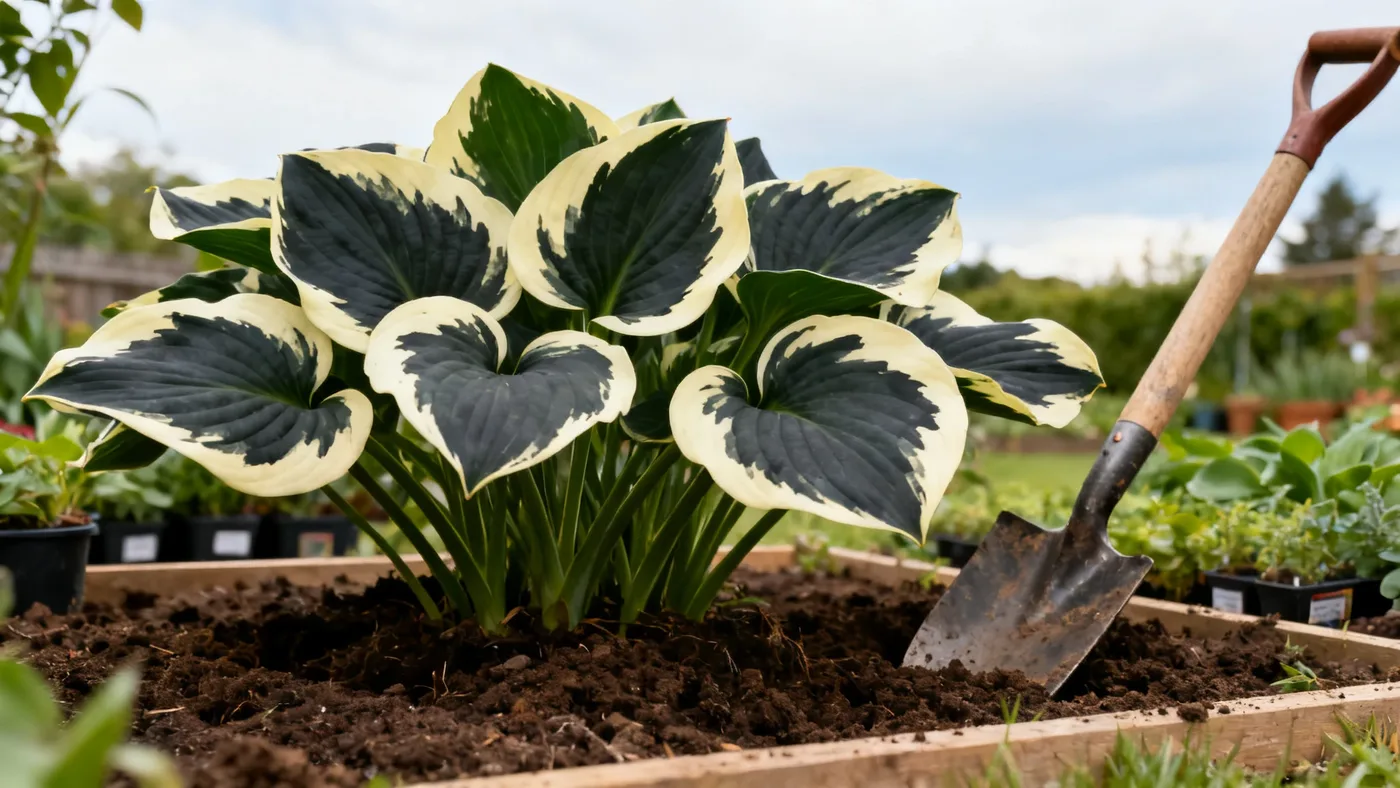
Pruning and Cutting Back Plantation Lily: A Simple Guide
Plantation Lily (Hosta 'Patriot') is one of the easiest shade perennials to maintain. Unlike some plants that demand fussy pruning schedules, this variegated hosta simply wants you to remove its dead parts at the right time of year. Whether you're deadheading spent flowers or cutting back after frost, the process takes minutes and keeps your plant looking tidy year-round.
Understanding What Plantation Lily Does in the Garden
Plantation Lily produces pale lavender to near-white flower scapes that rise 28 to 30 inches above the dark green, cream-margined foliage mound during mid to late summer. The exact bloom time varies by region. July and August are typical for most zones, but your local climate may shift that window earlier or later.
After the flowers fade, the scapes dry out and no longer add to the plant's appearance. In fall, the foliage itself yellows and eventually collapses with the first hard frost. The plant then dies back completely to the crown and remains dormant underground through winter. This is normal and healthy behavior for a deciduous perennial in USDA zones 3 to 9.
You'll perform two main pruning tasks: deadheading during summer and cutting back dead foliage in late fall or early spring. Both are optional from a plant-health perspective, but both make your garden look more intentional and polished.
Materials and Tools You'll Need
Pruning Plantation Lily requires minimal equipment. A sharp pair of bypass pruners or garden shears works best for cutting the flower scapes and stems. Make sure your blades are clean before you start so you don't spread disease from one plant to another.
- Bypass pruners or garden shears (sharp, clean blades)
- Work gloves (optional, but nice for protecting hands)
- Small trash bag or garden basket to collect trimmings
- Loppers (only if you prefer them to pruners; not required)
You don't need special fertilizers, rooting hormone, or other products. Pruning is simply removal, not a treatment.
Deadheading Spent Flowers
When to Deadhead
Start deadheading once the pale lavender flowers fade. This typically occurs in late July or August, depending on your zone and how far north or south you live. You can deadhead as soon as a scape loses its attractiveness to you. Some gardeners remove them immediately after flowers fade; others wait until the scapes begin to brown. Both approaches work.
Step-by-Step Deadheading Instructions
- Locate the spent flower scape. Look for the tall stem that held the flowers. It will rise 28 to 30 inches from the foliage mound.
- Cut the scape at the base. Using sharp bypass pruners, cut the scape as close to the ground as you can while still being safe and practical. Aim for just above the soil line or 1 to 2 inches from the crown.
- Make a clean, angled cut. Cut at a slight angle so water doesn't pool on the wound. This reduces the risk of rot, though hostas are quite resilient.
- Remove the entire scape. Don't leave short stubs behind. Clean removal looks better and eliminates places where insects might hide.
- Collect trimmings. Place the removed scapes in a trash bag or basket. They make good compost material if you have a compost pile.
- Repeat for all spent scapes. Plantation Lily typically produces several flower scapes per plant, so you may have multiple stems to remove.
Tips for Deadheading
Deadheading is purely for neatness. The plant doesn't require it to stay healthy. If you prefer the look of faded flowers or simply want to skip this step, your Plantation Lily will thrive either way. Hummingbirds and bees visit the flowers while they're fresh, so leaving them on the plant a bit longer supports pollinators.
Cutting Back for Fall and Spring
This is the main pruning task for Plantation Lily. You have two timing options, and both are equally valid. Choose the one that fits your garden schedule.
Late-Fall Cutback (After the First Hard Frost)
Wait until after a hard frost kills the foliage. The leaves will yellow and collapse, making it obvious that the plant is ready to be cut back. In most regions, this happens in October or November, but timing varies with your climate.
- Check that frost has arrived. The foliage should be mushy and dark, not still green and firm. If leaves are still alive and green, wait another week or two.
- Cut everything to the ground. Using pruners or garden shears, cut all dead foliage down to 1 to 2 inches above the crown of the plant. The crown is the growing point at soil level where new shoots emerge in spring.
- Remove all dead material. Don't leave brown leaves or stems sticking up. A clean removal looks neater and gives slugs and other overwintering pests fewer places to hide.
- Dispose of trimmings. Bag the dead foliage and either compost it or place it in your green waste bin. Do not leave cut material lying on the plant's crown.
- Walk away until spring. Once you've cut back, the plant needs no further attention until new shoots emerge in spring, typically 6 to 8 weeks later depending on your zone and weather.
Early-Spring Cutback (Before New Growth Emerges)
Alternatively, you can skip fall pruning and cut back in early spring, just as new shoots begin to emerge. This timing works well if you prefer to leave dried foliage standing through winter for visual interest or to protect the plant during harsh weather.
- Watch for spring growth. In early spring, before temperatures warm, look for the tiny red or pink shoots appearing at the crown. These are next year's leaves beginning to emerge.
- Cut back before shoots get tall. Once you see growth starting, prune immediately. Cut everything to 1 to 2 inches above the crown.
- Be careful not to damage new shoots. If the new growth is already 2 to 3 inches tall, cut very carefully just above those shoots so you don't sever them with your pruners.
- Remove all old foliage. Even though new growth is emerging, the old leaves are still dead. Remove them completely.
- Rake the crown. If debris or old leaves have accumulated around the plant's crown, gently rake them away to allow new shoots to emerge freely.
Tips and Common Mistakes to Avoid
Pruning Plantation Lily is nearly impossible to get wrong, but a few practices will improve your results.
Don't cut back too early in fall. If you prune before a hard frost, the plant may try to regrow and new shoots could be damaged by cold. Wait until after frost blackens the foliage.
Don't leave stubs. Cutting stems partway and leaving 6-inch stubs looks unfinished and provides shelter for pests. Cut as close to the ground as practical.
Don't fertilize right after pruning. You don't need to feed the plant after you cut it back. Wait until early spring, when new growth is a few inches tall, to apply a light balanced fertilizer or compost top-dressing.
Don't worry about damaging the plant. Plantation Lily is tough. You'd have to remove the crown itself to truly harm it. A misdirected cut or two won't set it back.
Do clean your pruners between cuts if you're working on many plants. This reduces disease spread, even though hostas are generally disease-resistant in home gardens.
Expected Results
After deadheading, your Plantation Lily will look neater immediately. The removal of dry flower scapes brings focus back to the striking dark green foliage with its creamy-white marginal variegation.
After fall or spring cutback, you'll see nothing for several weeks. The plant sits dormant below ground, storing energy in its roots. By late spring or early summer, new shoots will emerge from the crown and grow into the characteristic 18 to 24-inch foliage mound. This is the plant's normal cycle and means your pruning was successful.
Deadheading and cutting back don't change the plant's size or growth rate. Plantation Lily grows at a slow to moderate pace, typically gaining 2 to 4 inches of spread per year and reaching full mature size in 3 to 4 years. Pruning is purely cosmetic maintenance.
Quick Reference Checklist
| Pruning Task | Timing | What to Cut | Cut Height |
|---|---|---|---|
| Deadheading | July-August (after flowers fade) | Spent flower scapes (28-30 in tall) | 1-2 inches above soil |
| Fall cutback | October-November (after hard frost) | All dead foliage and stems | 1-2 inches above crown |
| Spring cutback | Early spring (as new shoots emerge) | All remaining dead foliage | Just above new growth |
For complete care information on watering, feeding, and solving common problems with Plantation Lily, see our full growing guide.