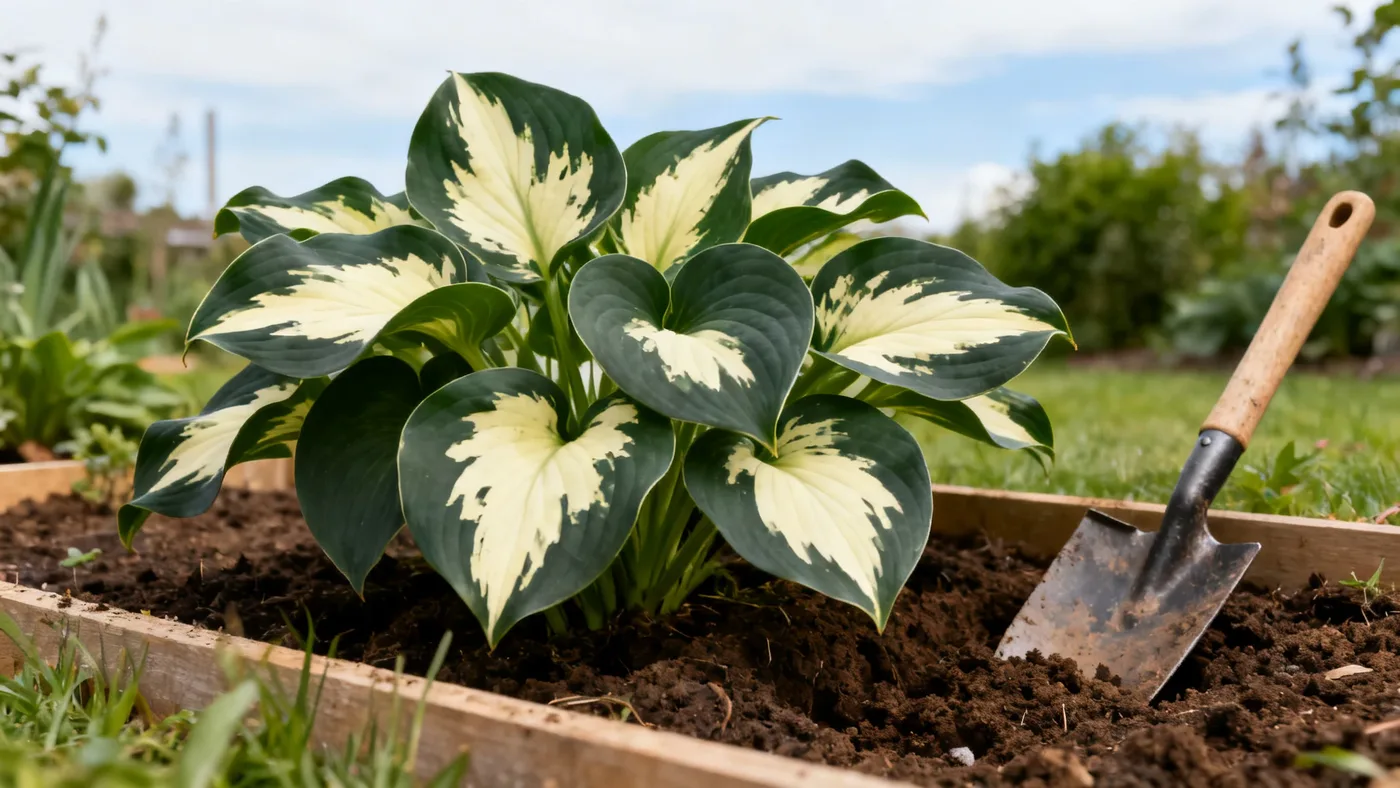
Plantation Lily Pests and Diseases: Common Problems Fixed
Plantation Lily (Hosta 'Patriot') is a hardy, low-maintenance perennial that thrives in shade, but like any garden plant, it faces a handful of common pests and diseases. The good news: most problems are preventable or easy to fix once you know what to look for. This guide walks you through every issue you're likely to encounter, how to spot it early, and exactly what to do about it.
1. Slug and Snail Damage (The Most Common Problem)
Slugs and snails are the number-one pest threat to Plantation Lily. They chew ragged, irregular holes through the large, tender leaves, often working at night and leaving a telltale slime trail behind. On a mature plant that spreads 24 to 36 inches wide, damage can be extensive and highly visible within a week if populations are heavy. The holes don't close or heal, so they persist throughout the growing season and make the plant look stressed even if it recovers.
Slugs thrive in moist soil and shade, which makes hostas an ideal buffet. In wet springs or humid summers, populations explode. You'll spot the damage first, irregular holes in otherwise healthy leaves, before you ever see the pest itself. Since Plantation Lily needs consistent moisture to perform well (about 1 inch of water per week), creating the perfect growing environment also creates ideal slug habitat.
How to fix it: Remove slugs by hand in early morning or evening, when they're most active. Drop them into soapy water or manually crush them. For larger infestations, use slug bait around the plant base (keep it away from pets and children). Copper barriers or diatomaceous earth sprinkled around the crown offer passive protection. Reduce hiding spots by removing dead leaves and debris promptly. Some growers report success with beer traps (shallow cups of beer sunk into the soil), which slugs find irresistible.
2. Deer Browsing
Plantation Lily has poor deer resistance. In areas with active deer populations, your hostas are a preferred browse target, especially in spring when tender new growth emerges. Deer will eat foliage, shoots, and even flower scapes, and they typically leave ragged edges or torn leaves rather than the clean holes slugs make. A single night's visit from a small herd can defoliate an entire planting.
Deer pressure varies dramatically by region and season. Rural or suburban properties near forests and meadows face the highest risk. If you've seen tracks or droppings near your garden, assume your Plantation Lily is on the menu.
How to fix it: Physical barriers work best. Install an 8-foot deer fence around the planting area, or use sturdy netting for smaller clusters. Repellent sprays (capsaicin-based or predator-urine products) offer temporary protection but require reapplication every 2 to 3 weeks and after rain. Remove deer attractants like fallen fruit and open compost piles. If you live in a high-pressure area, consider planting Plantation Lily in fenced vegetable or ornamental gardens rather than exposed shade beds.
3. Black Vine Weevil Damage
Black vine weevil adults chew notches along the edges of Plantation Lily leaves, creating a distinctive scalloped or serrated appearance along the leaf margin. The damage is often minor on foliage, but the real threat comes from the larvae, which feed on roots underground. Affected plants may yellow, wilt, or simply fail to thrive even though the soil and water are right.
Adult weevils are active from late spring through summer. They're nocturnal, so you may never see them. Larvae overwinter in the soil and pupate in spring, emerging as adults to lay eggs around the plant base. Heavy infestations can kill or severely weaken a mature clump over one to two seasons.
How to fix it: In early evening, shake the plant over a white cloth to dislodge adults, then hand-pick or vacuum them. Neem oil applied to foliage in late spring (before egg-laying) suppresses populations. For severe root damage, apply beneficial nematodes (Steinernema carpocapsae) to the soil in fall; these parasitize weevil larvae. Repot containerized plants in fresh, sterilized soil to eliminate soil-dwelling larvae. Monitor plants in spring for yellowing or wilting that signals root feeding.
4. Foliar Nematodes
Foliar nematodes (microscopic roundworms) infect Plantation Lily leaves, causing dark, water-soaked blotches or wedge-shaped lesions between the leaf veins. The damage often starts at the leaf base and progresses upward. Affected leaves may eventually wither and drop. The infection typically worsens in warm, wet weather and spreads from plant to plant via water splash or contact with wet foliage.
This disease is less common than slug or deer damage, but it can severely impact plant appearance and vigor. Once established, foliar nematodes are persistent and spread if unchecked.
How to fix it: Remove and destroy affected leaves as soon as you spot symptoms. Water at the soil level rather than overhead to prevent water splash, which spreads nematodes. Space plants 24 to 36 inches apart to improve air circulation and reduce humidity around the canopy. Sterilize pruning tools between cuts with a 10% bleach solution. In severe cases, dig up and discard the entire plant; foliar nematodes are difficult to eradicate once established in a mature clump. Do not compost infected leaves.
5. Crown and Petiole Rot
Crown rot (also called petiole rot) is a fungal disease that attacks the base of the plant and the petioles (leaf stems). Affected tissues become mushy, water-soaked, and may emit a foul odor. Foliage above the rot often yellows and wilts even if the soil has adequate moisture. In severe cases, entire crown sections collapse. This disease thrives in consistently wet soil and poor drainage.
Plantation Lily needs regular moisture (about 1 inch per week), but it must have well-drained, humus-heavy loam. Prolonged waterlogging, especially in heavy clay soil or poorly draining shade beds, creates conditions for crown rot. Heavy mulch piled against the crown worsens the problem by trapping moisture against vulnerable tissue.
How to fix it: Improve drainage immediately. Add compost or peat moss to the planting bed to increase permeability. Ensure mulch sits 2 to 3 inches away from the crown. In containers, use a pot with drainage holes and soil-less mix that drains freely. If rot is limited to a few petioles, remove affected leaves at the base with a clean knife; allow the wound to dry. For severe crown rot, dig the plant, trim away soft or discolored tissue with a sterilized knife, and replant in fresh, well-amended soil in a sunnier, drier spot if possible. Do not water heavily until new growth appears; let the crown dry between waterings for the first month.
6. Hosta Virus X (HVX) and Leaf Mottling
Hosta Virus X (HVX) causes mottled, streaked, or irregularly patterned yellowing on leaves. The variegation may look unusual, almost freckled or blotchy, and infected foliage is often smaller and more distorted than normal. Plants decline slowly, producing fewer new leaves and smaller clumps over time. HVX spreads via aphids, nematodes, or contaminated tools.
Virus-related mottling is sometimes mistaken for normal variegation in Plantation Lily, which naturally has cream-white to cream-gold marginal edges. The key difference: virus mottling is random, often includes yellowing or browning, and the plant shows signs of vigor loss. Normal variegation is crisp, consistent, and follows the natural leaf margin pattern.
How to fix it: There is no cure for HVX. Remove and destroy infected plants and do not compost them. Sterilize all tools (pruners, shovels, hands) with a 10% bleach solution before and after working with infected plants to prevent spread. When dividing or moving Plantation Lily, purchase from disease-tested nurseries. If you suspect HVX based on unusual mottling and declining vigor, have a sample tested by your local extension service to confirm before removing the plant.
7. Fungal Leaf Spots and Anthracnose
Fungal leaf spots and anthracnose cause small, circular to angular brown or tan lesions with darker borders on Plantation Lily foliage. Spots may be dry or have a water-soaked appearance, and they often merge into larger patches. Anthracnose can also affect petioles and flower scapes. These diseases thrive in warm, humid, wet conditions and spread via water splash and contact.
Unlike crown rot, leaf spot diseases do not kill the plant but do reduce its visual appeal. Severe infections can defoliate younger or stressed plants. Overhead watering and shade plantings with poor air circulation are risk factors.
How to fix it: Water at soil level only; never wet foliage. Improve air circulation by spacing plants 24 to 36 inches apart and pruning surrounding vegetation. Remove infected leaves promptly and destroy them. In wet springs, apply a copper-based fungicide (following label directions) starting when new growth emerges. Apply at 7 to 10 day intervals if the disease persists. Deadhead spent flower scapes (which are vulnerable to anthracnose) for tidiness and to reduce disease spread. Sterilize tools between cuts to avoid spreading spores.
8. Leaf Scorch from Too Much Direct Sun
Plantation Lily leaves that receive too much direct, intense afternoon sun develop brown, papery, burned-looking margins and patches. The foliage looks bleached or scorched, often appearing to tan or gray out starting at the leaf edges. This is technically an environmental problem rather than a pest or disease, but it's a common complaint and a symptom many gardeners mistake for disease.
Plantation Lily thrives in part shade to full shade. It can tolerate more morning sun in cooler, northern climates (zones 3 to 5), but it needs afternoon shade in hot regions. In zones 6 to 9, direct afternoon sun and hot, dry conditions cause leaf scorch. The damage is purely cosmetic but makes plants look sick and stressed.
How to fix it: Move the plant or provide afternoon shade with a shade cloth or by planting it under trees or on the north side of a building. If relocation is not possible, install a 30% to 50% shade cloth from late May through September. Ensure consistent moisture during hot spells; drought combined with sun exposure worsens scorch. The scorched leaves won't recover, but new growth in better light conditions will be healthy.
Quick Reference: Plantation Lily Pests and Diseases at a Glance
| Problem | Symptoms | When It Happens | Best Fix |
|---|---|---|---|
| Slug & snail damage | Irregular holes in leaves; slime trails | Spring through fall; worse in wet years | Hand-pick; slug bait; copper barriers; reduce hiding spots |
| Deer browsing | Ragged, torn foliage; missing leaves or shoots | Year-round; heaviest in spring | Deer fence (8 ft); netting; repellent sprays; relocate to fenced area |
| Black vine weevil | Notched leaf edges; yellowing or wilting despite moist soil | Adults active late spring through summer | Hand-pick adults at dusk; neem oil; beneficial nematodes for larvae |
| Foliar nematodes | Water-soaked blotches; wedge-shaped lesions between veins | Warm, wet weather; late spring through fall | Remove infected leaves; water at soil level; improve air circulation |
| Crown/petiole rot | Mushy, foul-smelling crown; yellowing, wilting foliage | After heavy rain or prolonged wetness | Improve drainage; amend soil; move mulch away from crown; trim affected tissue |
| Hosta Virus X (HVX) | Mottled, streaked yellowing; distorted, smaller leaves; vigor loss | Year-round; progressive decline | Remove and destroy infected plant; sterilize tools; no cure |
| Fungal leaf spots & anthracnose | Brown or tan circular lesions with dark borders; merged patches | Warm, wet weather; late spring through fall | Water at soil level; improve air circulation; remove infected leaves; apply copper fungicide if needed |
| Leaf scorch | Brown, papery, burned leaf margins; bleached appearance | Hot summers; mid to late season | Provide afternoon shade; ensure consistent moisture; relocate if necessary |
Prevention Is Your Best Defense
The strongest pest and disease management strategy for Plantation Lily is good cultural practice. Plant in the right location: part shade to full shade with afternoon shade in hot zones, well-drained loamy soil rich in compost, and consistent moisture without waterlogging. Space plants 24 to 36 inches apart to allow air circulation. Water at soil level, never overhead. Remove dead leaves and debris promptly. Sterilize tools between plants. Monitor foliage regularly during the growing season so you catch problems early when they're easiest to fix.
Plantation Lily is a long-lived perennial that commonly thrives for 20 or more years with periodic division. Most of the pests and diseases described here are manageable or preventable with basic attention and quick action. When you catch a problem early and act decisively, your hostas bounce back quickly and reward you with years of reliable, beautiful shade-garden performance.
For a complete guide to growing Plantation Lily, including planting, spacing, watering, and seasonal care, see Plantation Lily Care: The Complete Growing Guide.