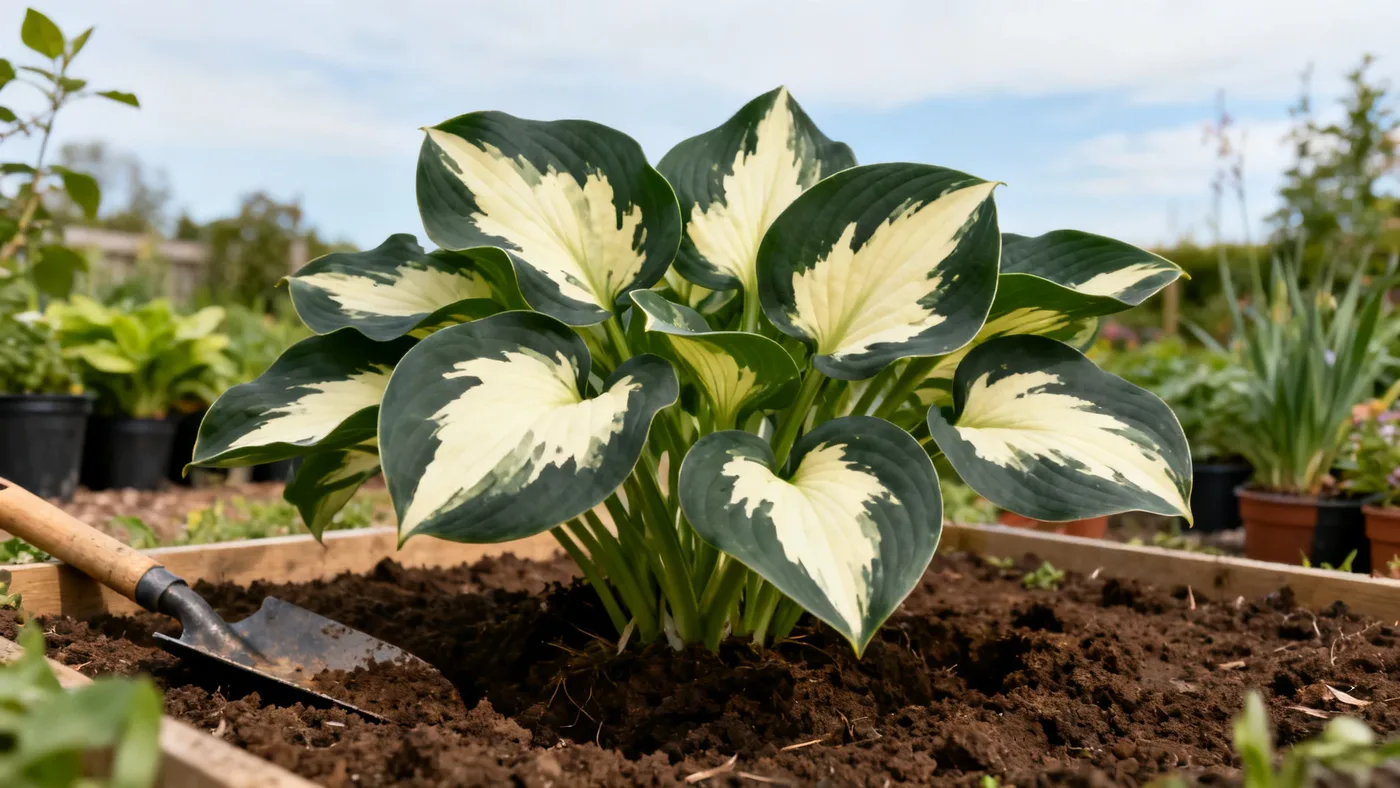
Watering Plantation Lily: How Much and How Often
Plantation Lily (Hosta 'Patriot') thrives on consistent moisture but is surprisingly forgiving once you establish a simple watering routine. Unlike many shade plants, Plantation Lily dislikes prolonged drought and performs best when the soil stays evenly moist, not soggy. The good news: you can master watering plantation lily in about five minutes, and your plant will reward you with full foliage and reliable blooms each summer.
This guide walks you through the exact amount and timing of watering your Plantation Lily, how to read your plant and soil for signs of thirst or excess water, and how to adjust for your climate and garden conditions.
What You'll Need
Watering Plantation Lily correctly requires minimal equipment, and you likely have most of it on hand already.
- A watering can or hose with a softer spray setting to avoid bruising foliage
- A soil moisture meter or your finger (the simplest and most reliable method)
- A rain gauge (optional, but useful for tracking weekly rainfall)
- Mulch such as compost, shredded bark, or wood chips for a 2 to 3-inch layer
- A garden notebook or smartphone notes app to track your watering calendar
Understanding Your Plantation Lily's Water Needs
Plantation Lily requires about 1 inch of water per week. This figure accounts for rainfall plus hand-watering combined. If your garden receives 0.5 inches of rain during the week, you supply an additional 0.5 inches from the hose. In hot spells or on sandy soil, your plant may need more. The key principle: consistent moisture keeps the foliage lush and the crown healthy.
Your Plantation Lily's 24 to 36-inch-wide clump and shallow-to-moderate root system mean it prefers steady hydration over long dry stretches followed by heavy soakings. Dry spells stress the plant and can trigger leaf scorch, even in shade. Well-draining, humus-rich soil amended at planting time holds moisture longer than unamended sandy loam, so your soil type will influence how often you water.
The Basic Watering Schedule
Follow these steps to establish a reliable plantation lily watering schedule:
- Water thoroughly at planting time. After you plant your Plantation Lily in spring or early fall, water deeply the first day. Gently press the soil around the crown to eliminate air pockets, then water again to settle the soil.
- Apply 1 inch of water once per week during the growing season. From spring through mid-fall (roughly March through October in zone 6 to 7), water once weekly. Water in early morning to allow foliage to dry before evening, which reduces disease risk and slug feeding damage.
- Measure or estimate your water amount. One inch of water equals about 0.6 gallons per square foot of planting area. For a mature Plantation Lily clump (occupying roughly 30 to 36 square inches at soil level), that is roughly 1.5 to 2 gallons per week from the hose or can. Use a rain gauge or container to measure if you hand-water with a can.
- Adjust the schedule for rainfall. Track weekly rainfall. If natural rain provided 0.5 inches, supply the remaining 0.5 inches by hand. During weeks with 1 inch or more of rain, skip supplemental watering unless the soil pulls away from the sides of the planting area or the foliage looks stressed.
- Increase watering during hot spells. When daytime temperatures exceed 85 degrees Fahrenheit for more than 3 consecutive days, water every 4 to 5 days instead of once weekly. Sandy soil or container-grown Plantation Lily may need watering twice per week in peak summer heat.
- Reduce frequency as temperatures cool in early fall. As daytime highs drop below 75 degrees Fahrenheit in September (or the equivalent timing in your zone), your plant's water demand falls. Move to watering every 10 days. After a hard frost when foliage collapses, cease watering for the season.
- Check soil moisture with your finger as the ultimate test. Push your index finger 2 inches into the soil near the base of the plant, but not directly against the crown. If the soil feels dry, water thoroughly. If it feels moist or cool, hold off for another few days. This simple test eliminates guesswork and overwatering.
Adjusting for Your Climate and Soil
Your USDA hardiness zone, annual rainfall, and soil composition all influence how often to water hosta patriot plants like Plantation Lily.
Gardeners in zones 7 to 9 with hot summers and sandy loam should water more frequently and apply 1 to 1.5 inches per week during June through August. Northern gardeners in zones 3 to 5 with cooler summers may find that 1 inch per week including rain is sufficient or even generous. Spring and fall rains in zones 6 to 7 often deliver the bulk of Plantation Lily's water needs, so summer becomes your primary watering season.
If you planted Plantation Lily in rich, humus-heavy soil amended with 2 to 3 inches of compost at planting time, the soil retains moisture better and you can space waterings slightly further apart or reduce the total weekly amount during cool, cloudy springs. If your garden bed has compacted clay or minimal drainage, water runs off rapidly or pools and stagnates. You may need to water twice weekly in smaller amounts rather than once weekly in one heavy soaking. Poor drainage is riskier than a brief dry period; Plantation Lily will tolerate a few days of dry soil better than it tolerates constant waterlogging.
Signs Your Plantation Lily Needs More Water
Underwatered Plantation Lily shows distinct visual cues. Leaf margins turn papery and brown at the tips, starting on older leaves on the plant's outer perimeter. The foliage looks dull or slightly curled. The soil feels dry 2 inches down. When you water and the soil pulls sharply away from the container rim (if grown in a pot), dehydration is the culprit. Address this promptly: consistent drought stress weakens the crown and can delay or prevent blooming the following year.
Signs of Overwatered Hosta and Crown Rot Risk
Overwatering and poor drainage are the primary threats to Plantation Lily health. Signs of overwatered hosta problems include yellowing foliage that feels soft or mushy, a sour or foul smell rising from the soil, and wilting leaves despite wet soil at your touch. The crown, where leaf stems meet the roots, may appear mushy or show dark, wet decay. Slugs and snails also proliferate in constantly wet conditions, compounding leaf damage.
Crown rot from sustained overwatering is difficult to reverse once it begins. Prevent it by ensuring your soil drains well (water should drain within 2 to 4 hours after heavy rain or watering), mulching to regulate moisture without creating a wet mound against the crown, and resisting the urge to "baby" your plant with constant daily watering. If crown rot begins, the plant rarely recovers. This is why well-drained, humus-rich soil matters so much at planting time.
Tips for Success
- Mulch is your best tool. A 2 to 3-inch layer of compost or wood chips around the plant, but not touching the crown, moderates soil temperature and moisture without creating rot risk.
- Water the soil, not the foliage. Wet leaves dry slowly in shade and invite fungal leaf spots; the foliage does not absorb water through the surface anyway.
- Early morning watering is best. Foliage dries quickly as the sun rises, reducing disease and slug activity risk.
- Container-grown Plantation Lily needs more frequent watering than in-ground plants. Check container soil daily in summer; containers may need water every 3 to 4 days during peak heat.
- Track your watering in a garden journal or app. After a few weeks, you will spot your plant's rhythm and adjust confidently without second-guessing.
- Let your plant guide you. Individual gardens vary. If your Plantation Lily looks full and healthy on your current schedule, stick with it. Only adjust if you see clear signs of stress.
Common Watering Mistakes to Avoid
- Watering on a fixed calendar without checking soil. "Every Thursday" watering ignores rainfall and seasonal temperature changes. Use the 1-inch-per-week guideline and adjust for your local conditions week to week.
- Applying water to the foliage. Wet leaves dry slowly in shade, creating a haven for slug damage and fungal leaf spots. Direct water to the base of the plant or soil surface.
- Mulching against the crown. A mulch mound piled directly against the crown traps moisture and heat, promoting decay. Keep mulch 2 to 3 inches away from the stem base.
- Assuming container plants need water only once weekly. Containers dry much faster than garden beds. Monitor daily and water as needed, often every 3 to 4 days in summer.
- Ignoring drainage at planting time. Planting Plantation Lily in pure clay or a low spot with no drainage dooms it to crown rot. Amend the soil heavily with compost and ensure water drains away within hours of watering.
- Cutting water too early in spring or too late in fall. Young plants and newly planted clumps need consistent moisture for the first full growing season to establish a strong root system. Do not skimp on early-spring watering.
Quick Reference: Plantation Lily Watering Checklist
| Watering Task | Frequency or Timing | Notes |
|---|---|---|
| Weekly water amount (growing season) | 1 inch combined from rain and hand-watering | Adjust higher in hot spells or sandy soil |
| Soil moisture check | Daily in containers; 1 to 2 times per week in beds | Push finger 2 inches into soil; water if dry |
| Watering time of day | Early morning (before 9 AM) | Allows foliage to dry; reduces disease and slug damage |
| Mulch application | 2 to 3 inches deep at planting | Keep 2 to 3 inches away from crown |
| Growing season dates | Spring emergence through hard frost | Typically March to October; varies by zone |
| Container plants | Every 3 to 4 days during summer heat | Check soil daily; containers dry much faster |
| Reduce watering | Early fall as temperatures drop below 75°F | Move to every 10 days; stop after hard frost |
| Sign of underwatering | Brown leaf tips, papery texture, dry soil | Water promptly; chronic drought delays blooming |
| Sign of overwatering | Yellowing or mushy foliage, soil odor, wilting despite wet soil | Improve drainage immediately; prevent crown rot |
For more on caring for Plantation Lily year-round, including feeding, pruning, and troubleshooting pests and diseases, see the complete Plantation Lily care guide.