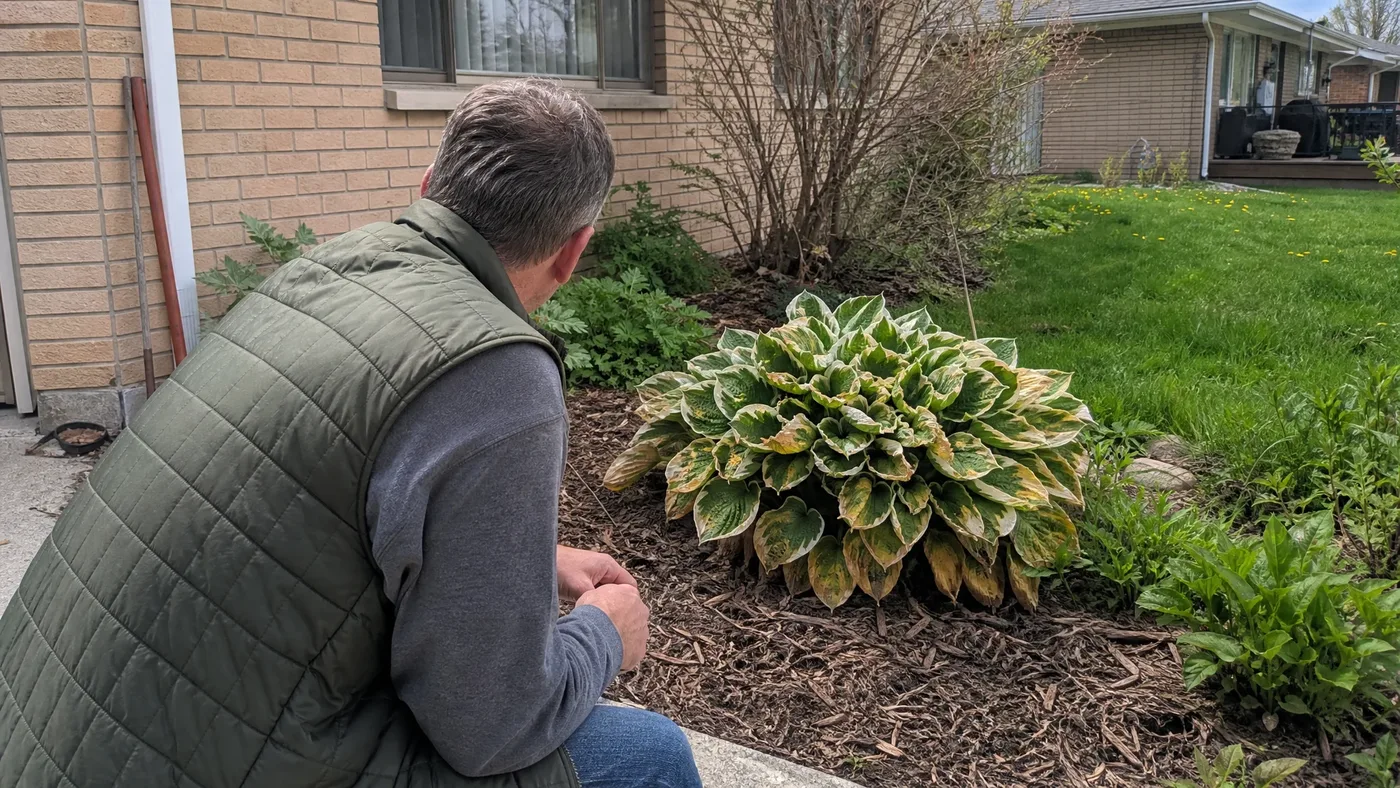
Why Are Plantation Lily Leaves Turning Yellow? Causes and Fixes
"My Plantation Lily leaves are turning yellow, so I'm watering less. Is that right?" Customers put it to us in nearly those words, and the answer is often no. Water gets blamed for every yellow leaf. Yet a leaf that yellows in October, one that yellows after a move and one that yellows in a soggy bed are three different problems with three different fixes.
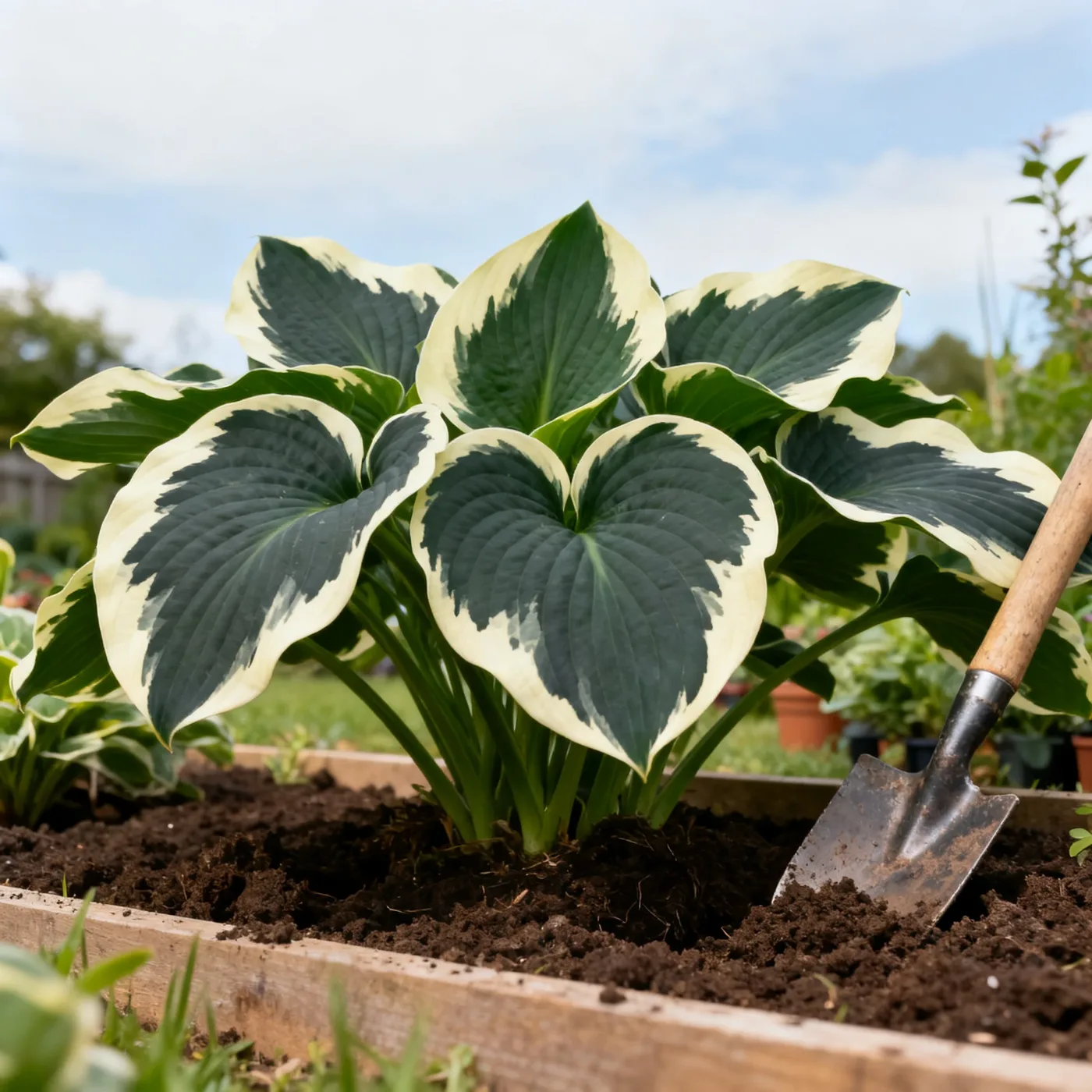
The leaf itself holds the evidence: when it yellows, where on the blade the color starts, and what changed in the bed. In this article, we'll go through the normal end-of-season fade, how to read edge yellowing against center yellowing on the green-and-white leaf, transplant shock, drainage, and the spotting that does signal disease. Get the cause right and the fix is usually one step. Get it wrong and you can drown a plant that was only thirsty.
Is Your Plantation Lily Just Finishing the Season?
Timing is the first piece of evidence, and it settles more cases than any other. Hosta foliage dies to the ground at 28°F or below, and Plantation Lily is no exception. If your clump turns gold after the nights cool, you are watching the plant do what it is built to do. Nothing has failed.
Three checks separate normal dieback from a problem:
- The date fits. Yellowing begins in late summer or fall as nights cool, not in the middle of a hot June.
- The whole clump fades at a similar pace, rather than one side or one stem going first.
- The leaves stay firm and dry as they fade, and the stalk bases are clean, not soft or slimy.
Our verdict is to do nothing yet. Skip the common habit of stripping yellow leaves in September for tidiness. Wait until the color has finished fading, then cut back as described in our guide to cutting back Plantation Lily.
Where frost arrives late, the fade arrives late too, but it keeps the same pattern. Yellowing in June or July, long before any frost, is not dieback, so keep reading.
Yellow Along the Edges or Through the Middle
Read the pattern on the green part of the leaf first. Plantation Lily carries a wide pale margin, so yellow in the green center stands out against it, while trouble at the margin tends to show up as browning and crisping. Where the color starts tells you more than how yellow it is. Three patterns cover most calls we hear about.
Yellow Creeping in From the Edges
Edge yellowing that turns brown on the lowest leaves is the early sign of petiole rot. Iowa State's extension describes the first symptoms as marginal yellowing and browning of the lower leaves. The clue that separates it from thirst is soft brown decay at the base of the stalk.
Dry, papery tips on leaves higher up point to drought instead, which the Nebraska extension notes can hit even established hostas.
Yellow Fading Across the Whole Clump
When every leaf is pale and growth is small and slow, suspect the site before you suspect disease. Too little water and too dark a spot both hold a clump back. Check moisture a few inches down and think about how many hours of light the clump gets.
One Yellow Leaf on a Healthy Clump
A single yellow leaf on an otherwise full clump is not a diagnosis. Slugs, the most common hosta pest, can start a leaf's decline by chewing it. Remove the leaf and watch for a second one before you change anything.
Wilting and Yellowing After Plantation Lily Is Moved
A moved clump has lost part of its roots, and the leaves lose water faster than the trimmed roots can replace it. The leaves wilt first, then yellow at the edges. This is shock, and it is the most predictable cause on the list. Hostas move best in spring after emergence, or in late summer after temperatures have dropped and bloom has ended, according to the Nebraska extension. A July move is asking for it.
The recovery fix is the same whether the clump came from a pot or from across the yard:
- Water deeply at the new spot, then keep the soil evenly moist, never swampy.
- Shade the clump from hot afternoon sun for a few weeks with a board, cloth or a neighboring plant.
- Cut off leaves that have fully collapsed. Leave any that are still green, because they are still working.
- Skip fertilizer until new leaves unfurl. Feeding a plant with damaged roots does not speed recovery.
- Check the planting depth against our planting guide, since a crown set too deep or too shallow keeps stressing the plant.
Leaves that have already yellowed will not turn green again. Judge recovery by the new growth, not the old leaves.
Soggy Soil Under Plantation Lily Leaves
Overwatering is a real cause, but the word hides what actually kills the plant. Volume matters less than drainage. NC State notes that root and crown rot can occur in poorly drained soils, so water that stands around the crown is the problem, not a generous schedule on its own. Plantation Lily likes moist soil, and it accepts clay, loam or sand as long as the water moves through.
Test the Drainage Before You Cut Back Water
Customers usually ask us whether to water less. We ask them to dig a hole beside the clump, fill it with water and check it the next day. If water still stands, you have a drainage problem. If it drains and the leaves still yellow, cutting back water may starve the plant, since hostas do best with about 1 inch of water per week.
Other signs of true waterlogging: soil that stays dark and wet days after rain, lower leaves yellowing first, and soft brown stalk bases.
Fix the Site, Not Just the Schedule
Raise the planting area a few inches with compost and loose soil, or move the clump to higher ground. Mix organic matter into heavy soil so it drains. Then water by the weather, using a rain gauge and the finger test, as in our watering guide. If the stalk bases are already soft and brown, the Iowa State extension is blunt: remove and destroy infected plants. Do not compost them.
Spots, Streaks, and Mottling That Spread
The word that matters in this section is "spread." Harmless color change stays put, while disease moves from leaf to leaf over weeks. Take a photo today and compare it a week later. That one habit saves most of the guesswork, and it keeps you from cutting a healthy plant down in a panic.
Color Change That Is Harmless
Plantation Lily's pale margin is part of the leaf, not damage, and it does not spread. A leaf that fades a little in strong light, or one old leaf that yellows and drops in summer, belongs here too. So does the slow fall color covered in the first section. Leave all of these alone.
Signs That Do Spread
Foliar nematodes are the clearest example. Illinois extension describes yellow discoloration followed by brown streaking between the veins in early summer, eventually killing the older leaves. The streaks stop at the veins, which gives the leaf a striped look.
Cut off affected leaves, bag them and keep the tools clean. Mottling on new leaves that stays all season is a different matter. Our pests and diseases guide covers virus signs, leaf spot and scorch in detail.
Do the Fertilizer and Sun Claims Hold Up?
Two claims turn up in nearly every forum thread about yellow hosta leaves: feed it, or move it. We rate both on the evidence, because acting on either without a diagnosis can leave the real cause untouched.
Claim: yellow leaves mean the plant is hungry. Verdict: rarely. Fertilizer does not cure shock, rot or normal dieback. Soil pH is seldom the culprit either, since Plantation Lily accepts acid, neutral or alkaline soil. Feed on schedule using our fertilizing guide, but do not reach for the bag as a first response to yellow.
Claim: hostas scorch in sun, so move it into deep shade. Verdict: half true. Hostas as a group need some shade, but this cultivar is listed for full sun to partial shade. Too dark a spot slows growth, as the Minnesota extension notes. Scorch shows as dry tan patches, not pale yellow across the blade. Before you move anything, note when the damage appears.
Claim: brown tips mean disease. Verdict: usually drought. Leaf tip dieback and stunted growth follow dry spells, even in established plants. And if you are asking why the clump is not growing, remember that NC State rates the genus as medium in growth rate, so a quiet first season is not alarming.
Matching Each Plantation Lily Symptom to Its Fix
When you have gone through the evidence, pick the row that matches. Each cause has one fix to try first, and you should try only one at a time. Changing water, light and feeding in the same week tells you nothing about which one worked.
| What you see | Likely cause | Single fix |
|---|---|---|
| Whole clump fades after cool nights | Normal dieback | Wait, then cut back once the color has gone |
| Wilting and yellowing after a move | Transplant shock | Water evenly and shade the clump until new leaves open |
| Yellow lower leaves, soft brown stalk bases, wet soil | Poor drainage and rot | Improve drainage and remove and destroy rotted plants |
| Yellow then brown streaks between veins | Foliar nematodes | Cut off and bag the affected leaves |
| Dry brown leaf tips | Drought | Water about 1 inch per week |
| Pale leaves, slow growth, very dark site | Too much shade | Move the clump toward more light |
If nothing in the table fits, go back to the spread test. A symptom that stays still is rarely an emergency.
Rule Out Plantation Lily Yellowing in Order
Most yellow leaves have an ordinary cause. Check the calendar first, since fall fade needs no treatment. Ask whether the clump was moved this season, then test the drainage before you cut back water. Reserve the disease worry for symptoms that spread, and treat fertilizer and sun claims as hypotheses, not fixes.
Our rule is to rule causes out in order before touching the plant: season, move, drainage, spread, and only then feeding or light.
Plantation Lily
Nursery-grown Plantation Lily in sizes from 1 Gallon, shipped to your door.
From $35.97
Shop Now →Yellow leaves are easier to read when you know what a happy Plantation Lily looks like, and ours live that way in beds of moist, well-drained soil with partial shade. Every plant we sell was raised by our own hands, since we are a small outfit of growers rather than resellers. When you are ready to try again, a healthy clump of ours is a good place to begin.