Fertilizing Plantation Lily: What, When and How Much
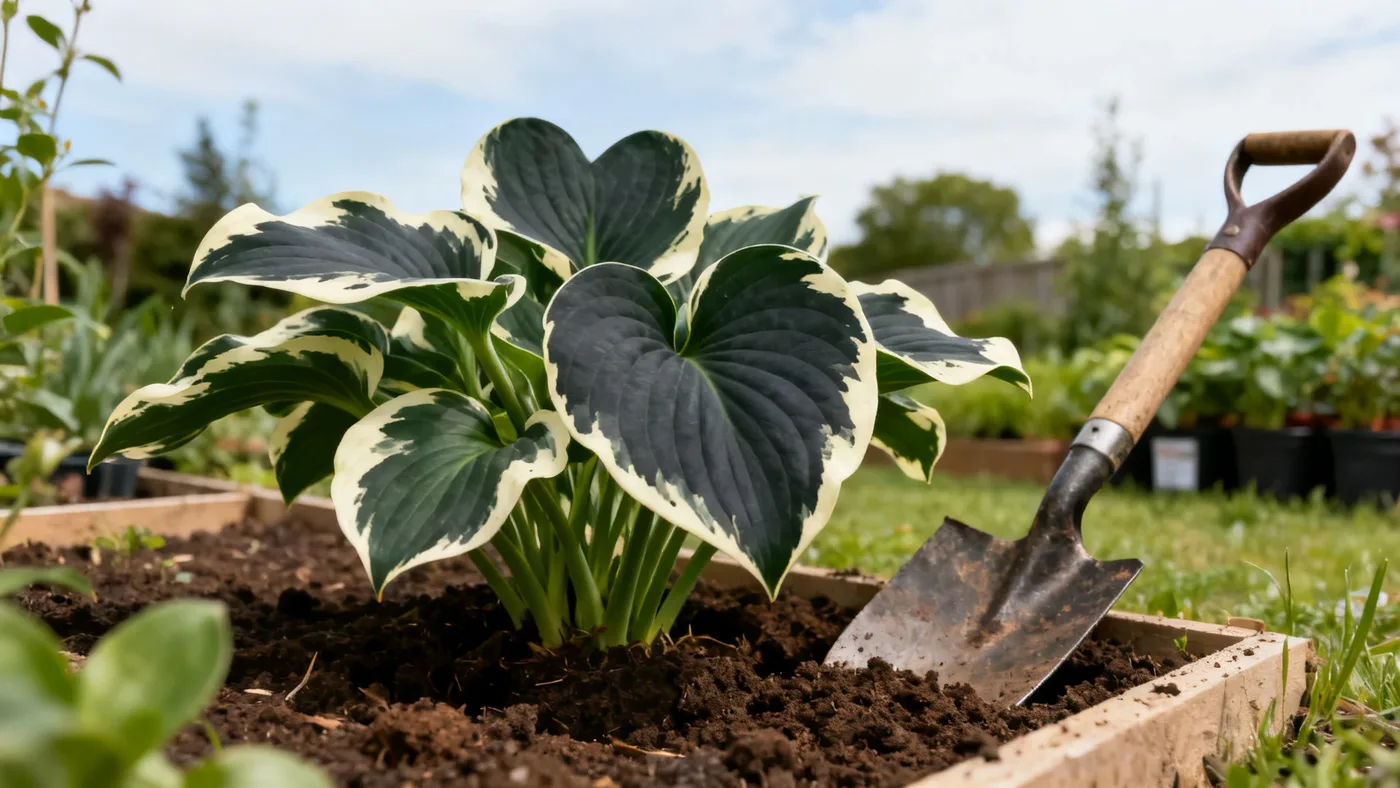
Plantation Lily (Hosta 'Patriot') is a perennial shade plant grown primarily for its striking foliage rather than prolific blooming. Because it has a slow to moderate growth rate, reaching full maturity in 3 to 4 years, it is not a heavy feeder. That said, a light fertilization in early spring combined with soil enrichment helps your plants develop larger, more robust leaves and fill in their clumps faster. The key is knowing what kind of fertilizer to use, when to apply it, and how much to avoid weakening the plant's prized variegation.
Understanding Plantation Lily's Fertilizer Needs
Plantation Lily grows best in rich, humus-heavy, well-drained loam soil. This preference tells you something important: the plant benefits more from soil rich in organic matter than from aggressive chemical feeding. A balanced slow-release fertilizer applied once in early spring, combined with an annual compost top-dressing, typically meets all the plant's needs for the growing season.
One critical detail: avoid heavy nitrogen applications. Heavy nitrogen can weaken the variegation that makes 'Patriot' distinctive. The creamy-white to cream-gold margins may appear less vibrant on over-fertilized plants. A balanced formulation (such as 10-10-10) ensures steady nutrition without pushing excessive leafy growth at the expense of color and structure.
What You'll Need
- Balanced slow-release fertilizer (10-10-10 NPK or similar)
- Compost or well-aged organic matter
- Garden trowel or shovel
- Gardening gloves (optional)
- Watering can or hose
- Measuring cup or small container for portioning
Step-by-Step Fertilizing Instructions
- Time your application to early spring. Wait until new growth begins to emerge from the crown, typically in mid to late April in cooler regions or earlier in warmer zones. Plantation Lily is fully dormant over winter, so there is no point in fertilizing during its rest period.
- Clear old mulch from around the plant. Gently pull back any mulch or leaf litter from the previous year. You want the fertilizer to contact soil as directly as possible, not to sit on top of decomposing material where it cannot be absorbed.
- Measure out a light application of slow-release fertilizer. For a mature Plantation Lily clump (roughly 24 to 36 inches wide), use approximately 2 to 4 ounces of granular slow-release fertilizer. A light hand here prevents the nitrogen overload that weakens variegation. Follow the package instructions, but err on the side of less rather than more.
- Scatter the fertilizer around the base. Sprinkle the granules in a circle around the plant's base, staying an inch or two away from the crown itself. Do not pile fertilizer directly against the foliage or stems. Spread it out so it contacts the soil gradually as you water.
- Water thoroughly after application. Give the area a good soaking to activate the slow-release formula and begin moving nutrients into the root zone. This initial watering is essential. The plant performs best with consistent moisture, about 1 inch per week, so plan your regular watering schedule to support steady nutrient uptake.
- Alternatively, use a compost top-dressing. If you prefer an organic approach, skip the granular fertilizer and instead apply finished compost around the plant in early spring. Compost enriches the soil with organic matter and provides slow, steady nutrition throughout the season. This method is gentler on variegation and suits Plantation Lily's preference for humus-rich soil.
- Do not fertilize again that same season. One application in early spring is sufficient. A second feeding in summer or fall can encourage tender new growth that may not harden off before winter dormancy, and it offers no real benefit to a slow-growing perennial like this.
Tips for Success
Soil prep matters more than fertilizer alone. Before planting, mix compost into the planting hole and the surrounding soil. A plant established in rich soil may need no supplemental fertilizer at all, relying instead on the organic matter you worked in at planting time. If your native soil is lean or sandy, annual compost top-dressing becomes more important.
Watch for signs of over-feeding. If leaves become abnormally large, soft, or the variegation dims, you may have applied too much nitrogen. Cut back to no fertilizer the following year and rely on compost top-dressing instead. The plant is forgiving and will rebalance over one or two seasons.
Compost is often enough. Many gardeners successfully grow Plantation Lily by topping with compost each spring and never using synthetic fertilizer. If you have access to quality compost or can make your own, this is a simple, effective strategy that builds long-term soil health.
Avoid late-season feeding. Do not fertilize after mid-summer. The plant is naturally slowing its growth as it approaches dormancy. Late feeding serves no purpose and wastes product.
Do not let fertilizer granules touch the crown or foliage. Concentrated fertilizer can burn plant tissue. Keep applications to the soil surface around the base, well away from the plant's center.
What to Expect
With proper fertilization and consistent moisture, your Plantation Lily may display fuller foliage, larger individual leaves, and a more robust clump structure as it matures. The plant naturally reaches its full size in 3 to 4 years, and light spring feeding helps support that timeline. You may notice faster spread each growing season, roughly 2 to 4 inches of outward growth per year, as the clump fills in.
Variegation should remain strong if you stick to a balanced fertilizer and avoid heavy nitrogen. The creamy-white margins that define 'Patriot' are a cultivar trait and not something fertilizer can enhance, but proper nutrition keeps the foliage color and texture healthy and vibrant.
If your plant looks robust with no signs of nutrient deficiency after the first year, you may find that compost alone, without synthetic fertilizer, is all you need going forward. Each garden is different, and Plantation Lily is forgiving enough to tell you through its growth what it needs.
Quick Reference: Plantation Lily Fertilizing Checklist
| Task | Timing | Product / Amount | Notes |
|---|---|---|---|
| Spring fertilizer application | Early spring (new growth emerging) | Balanced slow-release (10-10-10) or 2-4 oz per plant | Light hand to protect variegation |
| Compost top-dressing (alternative) | Early spring | Finished compost around base | Organic-only option; often sufficient alone |
| Water in after application | Same day or next day | Thorough soaking | Activates granules; supports nutrient uptake |
| Second application | N/A | None | One spring feeding is standard; avoid summer and fall |
| Monitor for over-feeding | Ongoing through season | Observe foliage color and size | If variegation dims, skip fertilizer next year |
| Soil enrichment (ongoing) | Annual spring or fall | Compost or aged organic matter | Builds long-term soil health |
For more details on year-round care, see Plantation Lily Care: The Complete Growing Guide.