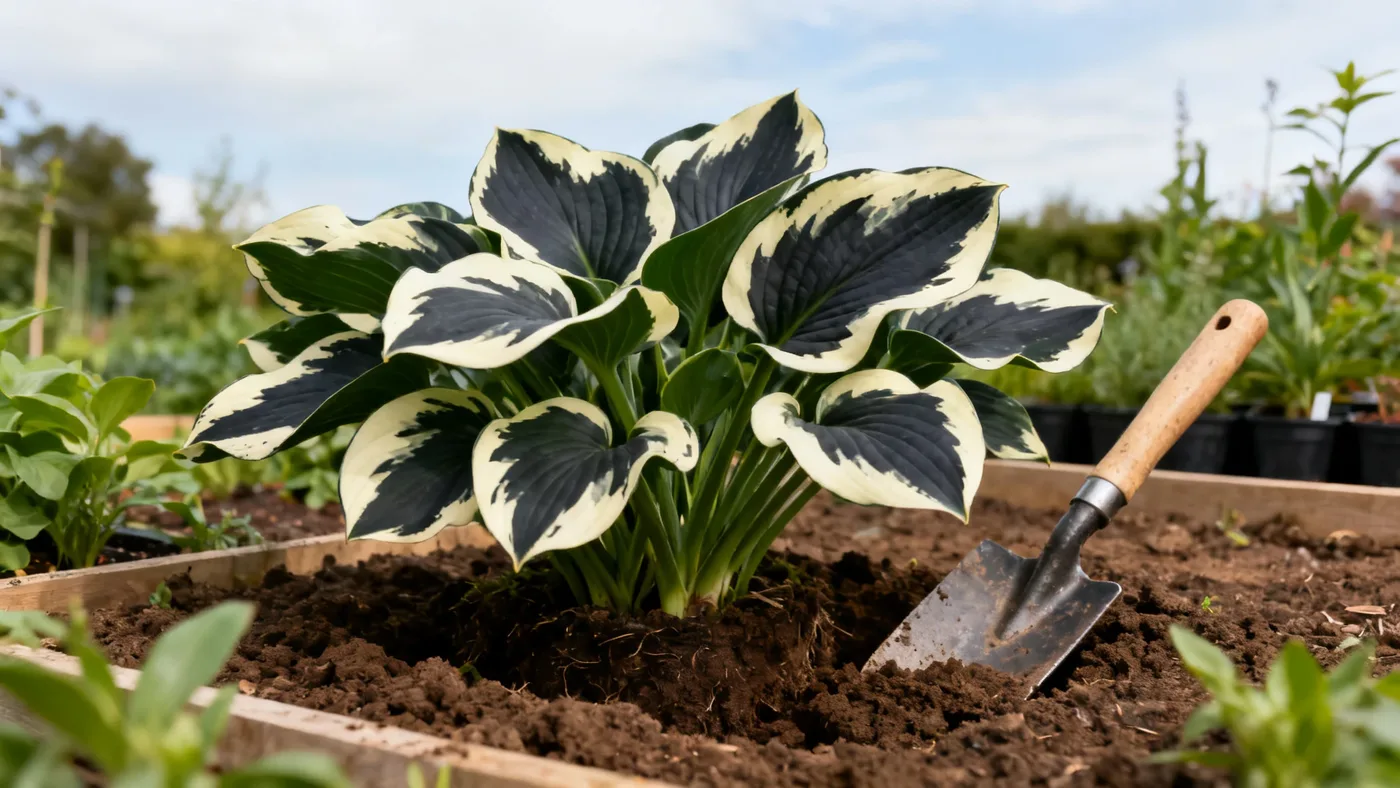
Best Soil for Plantation Lily: Drainage and pH Tips
Plantation Lily, or Hosta 'Patriot', thrives in the right soil foundation. Get this wrong, and even an otherwise ideal shady spot will disappoint you. Get it right, and these hostas will grow steadily for decades with minimal fuss. Soil is where the work happens, and the good news is that the requirements are straightforward and easy to meet.
Why Soil Matters for Plantation Lily
Plantation Lily is not a drought plant. It wants consistent moisture without waterlogging. The key is a soil that holds water just long enough while draining freely to prevent rot at the crown. Sandy soil loses moisture too quickly. Pure clay holds it too long. The sweet spot is a rich loam amended with organic matter, which gives you both water retention and aeration.
Soil pH also shapes how well your plant will take up nutrients. Plantation Lily prefers slightly acidic to neutral conditions, not alkaline. Planting in the wrong pH can lock up iron and other micronutrients even if they're present in the soil.
Plantation Lily Soil Requirements: The Numbers
Start with these targets for the best soil for Plantation Lily:
- Soil type: Rich, humus-heavy loam with good structure
- Drainage: Moderate to fast (no standing water within 24 hours of watering)
- Soil pH: 6.0 to 7.0 (slightly acidic to neutral)
- Moisture level: Consistent, around 1 inch of water per week during the growing season
- Organic matter: At least 2-3 inches of compost worked into the top 8-10 inches
If you're planting in sandy soil, expect to add more compost and mulch to retain moisture. If you're in clay, focus on improving drainage with perlite or coarse sand mixed into the planting hole and the surrounding zone.
Materials You'll Need for Soil Preparation
Before you dig, gather these materials. The amount depends on the size of your planting area. For a single Plantation Lily, expect to amend a planting zone 24 to 36 inches wide, center to center (the mature width of a mature clump).
- Well-aged compost or composted bark (2-3 bags per plant, about 5-10 cubic feet total)
- Garden sulfur or aluminum sulfate (if soil is too alkaline; test first)
- Perlite or coarse sand (if soil is heavy clay)
- A soil pH test kit (from any garden center; optional but recommended)
- A garden spade or shovel
- A wheelbarrow or garden cart
- Mulch (shredded bark or wood chips, 2-3 inches deep)
- A watering can or garden hose
Step-by-Step Soil Preparation for Plantation Lily
Step 1: Test Your Soil
Before amending, test your soil pH if possible. A simple kit costs $10-20 and takes 10 minutes. This tells you whether your soil is acidic, neutral, or alkaline. Plantation Lily soil pH works best between 6.0 and 7.0, so this baseline matters. If your soil is above 7.5 (alkaline), you'll need sulfur to lower it. If it's below 6.0, you may need lime, but most amended soils naturally settle in the target range.
Step 2: Loosen the Existing Soil
Dig a planting hole about 12 inches deep and 18-24 inches across. Break up compacted soil and remove rocks, roots, and debris. Plantation Lily roots don't go deep, but they do spread outward in the top 8-10 inches of soil. Loosening improves both drainage and root penetration early on.
Step 3: Amend the Planting Hole
Mix the removed soil with equal parts well-aged compost. If you're working with heavy clay, add 1 part coarse sand or perlite for every 3 parts amended soil. If your soil is naturally sandy, skip the sand but increase compost to 50-60 percent of the blend. The goal is a crumbly, dark mixture that holds its shape when squeezed but breaks apart easily.
Step 4: Adjust pH if Needed
If your test shows pH above 7.5, dust the planting hole with garden sulfur following the package rate. Most bags recommend 1-2 pounds per 100 square feet. Mix it in thoroughly and let it sit for a few days before planting. If pH is below 6.0, a balanced compost amendment usually brings it back toward neutral without additional lime.
Step 5: Plant and Backfill
Place your Plantation Lily in the hole so the crown (where shoots emerge) sits at or just above soil level. Never bury the crown. Backfill with your amended soil mixture, firming gently as you go. Avoid compacting; you want air pockets to remain.
Step 6: Water Thoroughly
Water the entire planting area until water drains freely. This settles the soil and removes air pockets without creating a concrete-like crust. Plantation Lily wants consistent moisture, about 1 inch per week, so water deeply after planting and maintain that schedule through the first year.
Step 7: Mulch the Surrounding Area
Apply 2-3 inches of mulch (shredded bark or wood chips) over the planting zone, staying 2-3 inches away from the crown itself. Mulch regulates soil temperature, retains moisture, and breaks down over time to add more organic matter. This is free soil improvement that happens every year.
Tips for Success and Common Mistakes
Mistake: Using Peat Moss as Your Only Amendment
Peat moss drains too quickly and doesn't add the slow-release nutrients that compost does. Use compost or composted bark instead. If you have peat already, mix it at 25 percent or less with other amendments.
Mistake: Planting Too Deep
The crown of Plantation Lily must sit at or just above the soil line. Burying it invites crown and petiole rot, especially in areas with wet winters. When in doubt, plant shallow rather than deep.
Mistake: Assuming Well-Drained Means No Water
Well-drained does not mean dry. Plantation Lily drainage is moderate to fast, meaning excess water leaves within 24 hours, but the soil still holds moisture for the plant to use. If your soil dries out in under a week in summer, it's too sandy.
Tip: Add a Spring Topdress
Each spring, add 1-2 inches of fresh compost or a light application of balanced slow-release fertilizer around the base. This feeds the plant and continues to build organic matter. Avoid heavy nitrogen, which can weaken the variegation on the cream and dark green leaves.
Tip: Refresh Mulch Every Year
Mulch breaks down and loses depth. Top it up each spring to maintain 2-3 inches. This is your ongoing soil enrichment without extra effort.
Tip: Monitor Drainage in Year One
After a heavy rain, check the planting zone. If water pools and hasn't drained after 24 hours, loosen the soil further or add more sand/perlite the following spring. Conversely, if the soil dries out in 3-4 days, increase mulch depth or add more compost next season.
Expected Results
With proper soil, Plantation Lily typically produces visible new growth within 4-6 weeks of planting during the growing season. Leaves should be firm and hydrated, not wilted or bleached. The dark green with creamy-white marginal variegation should be crisp and clear.
Plantation Lily is a slow to moderate grower, gaining about 2-4 inches of spread per year. It reaches full clump size in 3-4 years. In poor soil, this timeline stretches, and leaves may appear smaller or paler. In soil rich in organic matter, growth is steadier and foliage is more robust.
Root systems in well-amended soil develop more branching and become more drought-tolerant (though they still prefer consistent moisture). This makes the plant more resilient to occasional dry spells and more likely to persist for 20+ years with minimal maintenance.
Soil Maintenance Over Time
Soil is not a one-time setup. Organic matter breaks down every year, especially in warm climates. Plan to refresh mulch annually and add compost or a light topdress each spring. This is not labor-intensive; it's part of the rhythm of shade gardening. Your Plantation Lily will reward you with steady growth and long life.
For a complete guide to Plantation Lily care beyond soil, see our comprehensive growing guide.
Quick Reference: Plantation Lily Soil Checklist
| Requirement | Target | Action if Off Target |
|---|---|---|
| Soil pH | 6.0-7.0 | Above 7.5: add garden sulfur. Below 6.0: add compost and retest. |
| Soil Type | Rich, humus-heavy loam | Sandy: add compost. Clay: add compost and coarse sand or perlite. |
| Drainage | Excess water drains in 24 hours | Pools water: loosen deeper, add sand/perlite. Dries too fast: increase mulch, add more compost. |
| Organic Matter | 2-3 inches of compost worked in | Insufficient: add 2-3 bags of compost to the planting zone. |
| Mulch | 2-3 inches, 2-3 inches from crown | Missing or thin: apply fresh mulch. Too deep at crown: pull back slightly. |
| Moisture | Consistent, about 1 inch per week | Dry after 3 days: water more or increase mulch. Soggy: improve drainage or reduce watering. |