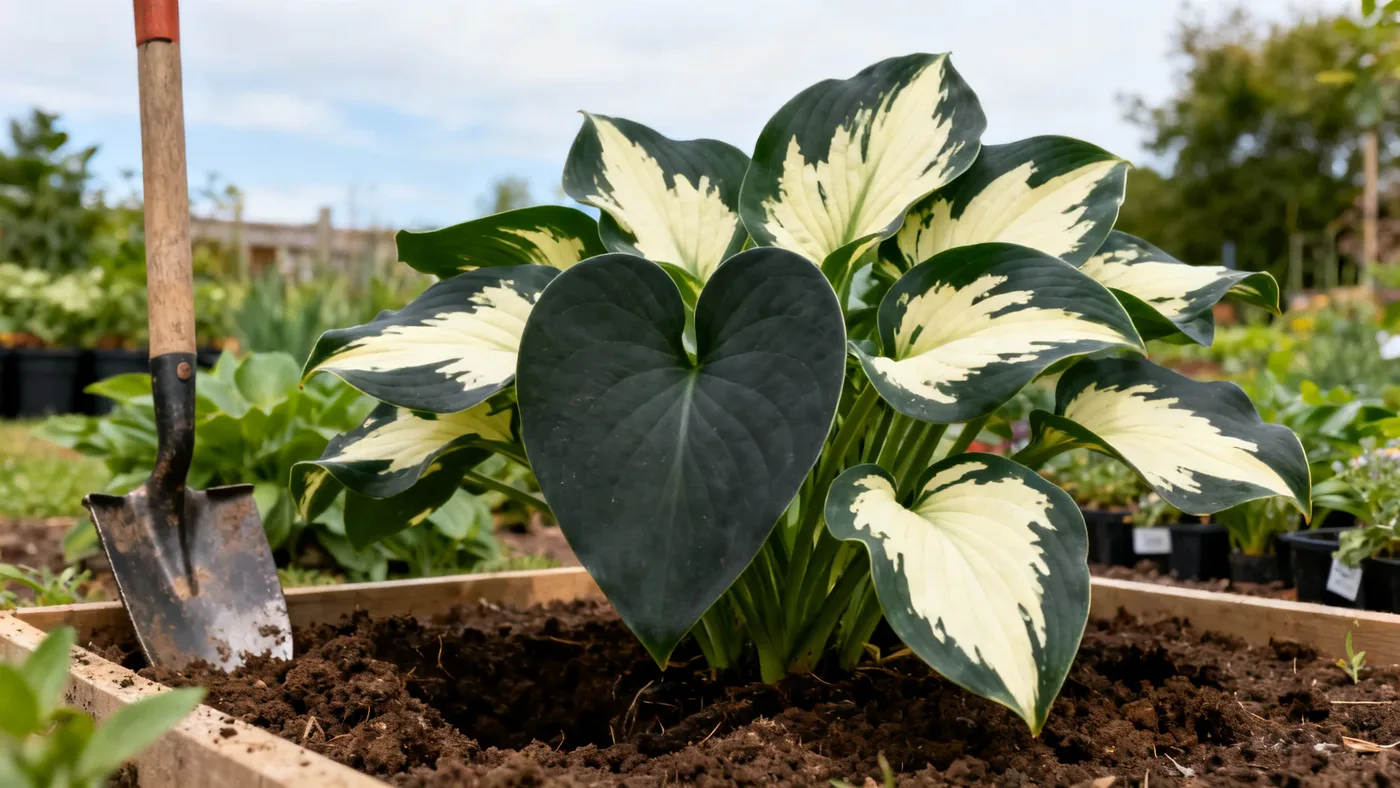
Plantation Lily Sun Requirements: Shade to Part Sun
Plantation Lily, botanically known as Hosta 'Patriot', thrives in shade and part-shade conditions. Getting the light right is one of the most important decisions you'll make when placing this foliage plant in your garden. Too much direct sun can damage the leaves. Too little light stunts growth. This guide walks you through assessing your garden's light patterns and choosing the best spot for your Plantation Lily to flourish.
Understanding Plantation Lily's Light Needs
Plantation Lily performs best in part shade to full shade. The plant tolerates consistent dappled light filtering through tree canopies or light from the north side of a building. In cooler zones (USDA zones 3-6), it can handle more morning sun. In hot regions (zones 7-9), afternoon shade is essential to prevent leaf scorch, a yellowing or papery browning of the foliage.
The creamy-white variegated margins on Plantation Lily's dark green leaves look their best when the plant receives enough light to see the contrast clearly, but not so much direct sun that the leaves fade or burn. Afternoon rays are the culprit in warm climates; morning sun in the north causes less damage.
Materials and Setup You'll Need
Before selecting a planting location, gather these simple tools and information:
- A notebook or smartphone to track light patterns throughout the day
- A watch or timer (or use your phone's clock)
- Knowledge of which direction is north, south, east, and west in your garden (use a compass app or the sun's position)
- The afternoon shadow patterns cast by trees and buildings on your property
- Your USDA hardiness zone (found on the USDA map or by your zip code)
- Information about how hot your summers typically get
Step-by-Step: Finding the Right Light Spot
Step 1: Map Your Garden's Light Zones
Spend one full day (ideally on a clear day) observing sunlight in your garden. Start in the morning and check which areas receive direct sun and which are shaded. Note the time of day and which part of the garden gets hit by afternoon rays. Look for north-facing walls, areas shaded by large trees, and spots under pergolas or shade structures. Photograph the same spots at 9 a.m., noon, and 3 p.m. if possible.
Step 2: Identify the Best Candidates
Mark three to five potential locations where the plant would receive at least 3-4 hours of light per day but not harsh afternoon sun (1 p.m. to 5 p.m. direct rays in zones 7-9). Ideal spots include the east side of a building (morning sun only), under a high tree canopy with dappled light, or a north-facing bed. If you live in zones 3-5, you have more flexibility and can tolerate a bit more morning sun.
Step 3: Check Soil Conditions at Candidate Sites
Plantation Lily needs rich, humus-heavy, well-drained loam with a soil pH of 6.0 to 7.0 (slightly acidic to neutral). Feel the soil at your candidate locations. Squeeze a handful; it should hold together loosely and crumble easily. If it is compacted clay, amend it with 2-3 inches of compost worked in before planting. Light and soil go hand in hand, so check both.
Step 4: Consider Seasonal Leaf Behavior
Remember that Plantation Lily is deciduous. It dies back completely with frost in fall and re-emerges in spring. Locations that seem perfect in summer may be too shaded in early spring, preventing the plant from emerging quickly. Conversely, areas that receive dappled light in winter (after tree leaves fall) might feel like full sun to your newly sprouted Hosta in May. This is usually not a problem, but it's worth noting if a spot was marginal.
Step 5: Plant and Monitor for the First Season
Once you've chosen your spot, dig a hole slightly wider than your nursery-grown Plantation Lily (usually sold in quart, #1, or #3 containers). The top of the root ball should sit level with the soil surface. Backfill with amended soil, water thoroughly, and mulch lightly. Over the first growing season, watch how the plant responds. Healthy foliage should be dark green with crisp white margins, not pale or scorched.
Regional Variations: When to Make Adjustments
Cooler Climates (USDA Zones 3-6)
In northern regions, Plantation Lily tolerates and even benefits from 2-3 hours of morning sun. The cooler air and lower sun intensity mean leaf scorch is less likely. A site that receives gentle morning light from the east and shade by early afternoon is ideal. If your garden is entirely shaded, the plant still thrives; it may just take a few extra years to reach full size (typically 3-4 years to mature clump size regardless of light, but shade slows this slightly).
Warm Climates (USDA Zones 7-9)
In hot regions, prioritize afternoon shade. Even light dappling under a tree is preferable to open afternoon sun. Morning sun is acceptable and often desirable for vigor and variegation visibility. A north-facing bed or the filtered light under a deciduous tree works well. If you notice leaf yellowing or browning at the margins during July or August heat waves, shift the plant to a shadier spot (this may require transplanting in early spring or early fall). Consistent moisture becomes even more critical in warm zones; about 1 inch per week is the baseline, but sandy soil or extended heat may require more.
Common Mistakes to Avoid
Planting in full sun. This is the most common error. Full afternoon sun (4+ hours of direct rays between 11 a.m. and 5 p.m.) will scorch the leaves and weaken the plant over time. Even sun-tolerant plants in this genus need afternoon shade in zones 7 and warmer.
Misinterpreting variegation loss as natural aging. If your Plantation Lily's white margins fade to pale green or disappear entirely over a season, and the leaves feel thin or papery, it's usually light-stress, not normal. The plant may be receiving too much sun (or paradoxically, insufficient light paired with heat stress). Reassess the location.
Ignoring afternoon shadows cast by buildings or structures. A spot that is shaded at planting time in spring may be fully exposed by midsummer if a nearby deciduous tree hasn't leafed out yet or a structure casts a shorter shadow. Plan for how shadows shift throughout the year.
Assuming your zone number removes the need to observe your actual microclimate. Being in zone 7 doesn't mean every part of your garden is the same. A south-facing wall may run hotter than the property's average. A low-lying area may retain more humidity and stay cooler. Always observe your specific site.
Overwatering as a fix for sun stress. If leaves are scorched, the issue is light, not water. Extra water won't reverse sun damage. Move the plant to a shadier location or prune off the worst-affected leaves in early spring and wait for fresh growth.
Expected Results and Timeline
In the right light conditions (part shade to full shade, with afternoon protection in warm zones), expect Plantation Lily to establish steadily. The foliage emerges in spring with that distinctive dark-green-and-white-margined look. The plant typically reaches blooming age in its 2nd to 3rd year, when pale lavender flower scapes appear in mid to late summer (July-August, though timing varies by region).
Full clump maturity takes about 3-4 years from planting. Growth is slow to moderate, with roughly 2-4 inches of spread gain per year. By years 3-4, a healthy Plantation Lily should reach its mature width of 24-36 inches. If growth seems stunted or the plant looks weak after one full season in your chosen spot, light or soil may be the culprit. Poor light (too much, not enough, or inconsistent) usually shows up as yellowing, pale variegation, or sparse leaf production.
With consistent moisture (about 1 inch per week, more in sandy soil or hot spells) and proper light, Plantation Lily is a long-lived perennial, commonly thriving 20+ years with periodic division. The plant is also suitable for containers if your garden has no ideal in-ground spots; just ensure a large container with good drainage and consistent watering.
Troubleshooting Light Problems
If your Plantation Lily shows yellowing or pale leaves, first rule out pests (slugs and snails are common on hostas) and check soil moisture. If those aren't the issue, light is likely involved. Morning sun is not the problem; afternoon sun is. If the plant is getting afternoon rays, move it to a shadier spot in early spring (March-April in most zones) or early fall (August-September). Wait until the foliage has died back completely in late fall before digging, or wait until new growth just emerges in spring before moving.
If growth is very slow and foliage is healthy but sparse, the plant may need more light. Hostas in dense shade can survive but grow very slowly. Thinning nearby tree branches to allow dappled light to reach the plant can help. Balance this with the earlier warning: too much direct sun is worse than too little light.
For a complete guide to Plantation Lily care beyond light, see Plantation Lily Care: The Complete Growing Guide.
Quick Reference: Sun Requirement Checklist
| Condition | Action | Expected Result |
|---|---|---|
| Zones 3-6 (cooler climates) | Full shade to part shade; morning sun tolerated and often beneficial | Healthy dark-green leaves with crisp white margins; vigorous growth |
| Zones 7-9 (warm climates) | Part shade to full shade; afternoon shade mandatory; morning sun optional | Foliage stays crisp; no leaf scorch; consistent growth |
| Full sun (4+ hours afternoon rays) | Move plant to shadier location in spring or fall | Leaf scorch stops; new foliage emerges healthy from the crown |
| Dappled/filtered light under tree canopy | Ideal placement; no action needed | Strong variegation; full clump in 3-4 years |
| North-facing bed or shade of building | Ideal placement; no action needed | Healthy growth; may be slower in deep shade but still viable |
| Foliage yellowing or pale after one season | Check for pests/water stress first; if ruled out, shade is too dense or light is inconsistent; increase dappled light | Darker, more vigorous foliage within one growing season |