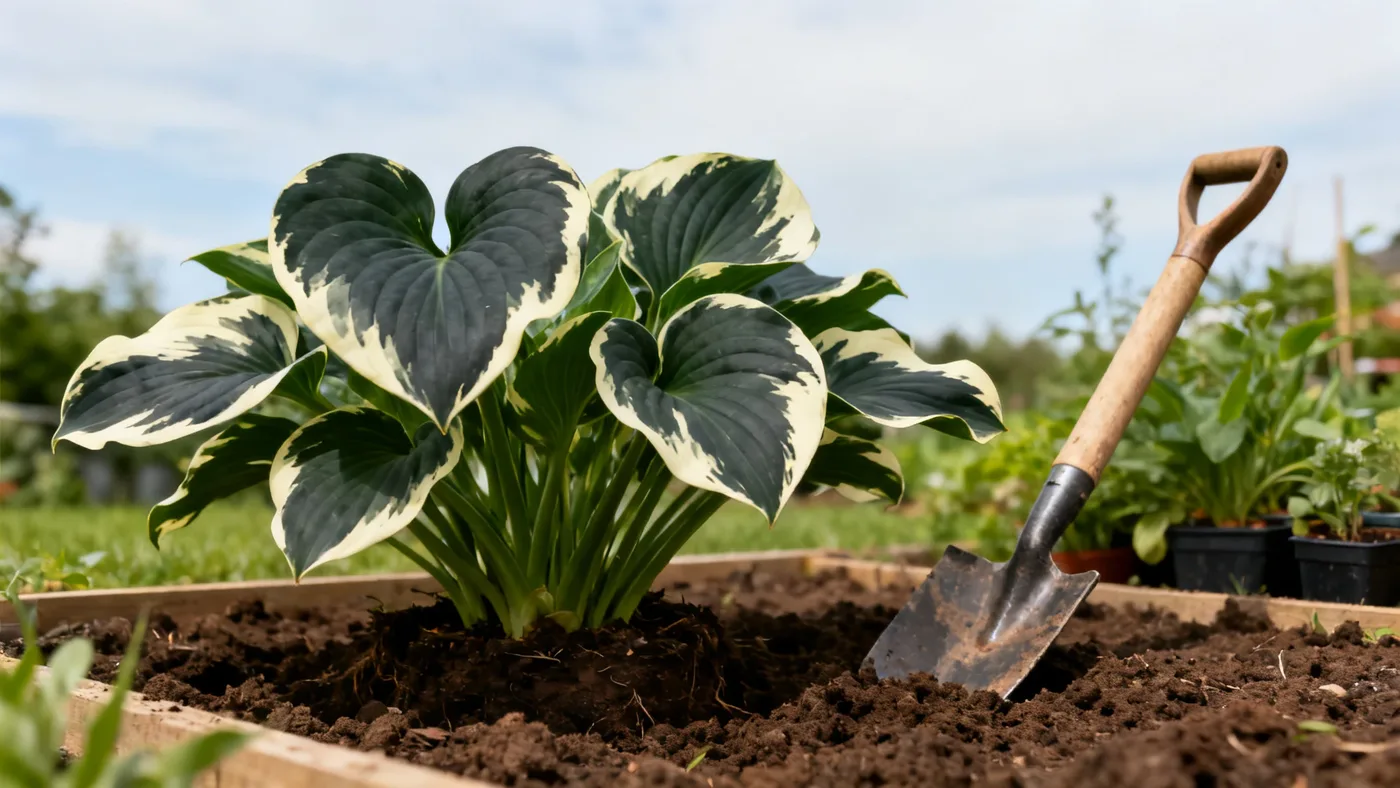
Is Plantation Lily Deer Resistant? What to Know
If you have searched for "is Plantation Lily deer resistant," you likely already know the answer you hope for. The truth is less encouraging: Plantation Lily is not deer resistant. In fact, research suggests that hostas are among the most preferred browse plants in residential gardens. 'Patriot' is not notably more resistant than other cultivars, which means if deer have access to your garden, this stunning dark-green-and-cream variegated perennial could be on the menu.
The good news is that understanding how deer behave around Plantation Lily, and why this plant is vulnerable, gives you concrete tools to protect it. This guide separates myth from fact and offers real strategies that work.
Myth 1: "Plantation Lily Is a Deer-Resistant Hosta"
This might be the most persistent myth in shade gardening. Evidence indicates that hostas, as a genus, are among the most palatable plants to deer. They are browsed regularly and heavily in areas with deer populations.
Plantation Lily, the cultivar Hosta 'Patriot', is a sport of Hosta 'Francee'. Like its parent cultivar, it offers no meaningful deterrent to deer. The large, heart-shaped leaves that make 'Patriot' so attractive to gardeners also make it attractive to browsing deer. A deer will consume the new growth, petal by petal in spring, and will continue to browse mature leaves throughout the growing season if the plant is accessible.
Why does this myth persist? Gardeners often confuse "shade-tolerant" with "deer-resistant." Plantation Lily thrives in part shade to full shade, which naturally limits foot traffic and makes some plants less visible to humans. But deer have no such limitation. They move through shaded woodland understory easily and eagerly, especially when seeking tender growth.
Myth 2: "Large Hosta Leaves Deter Deer Because They're Less Palatable"
Plantation Lily has large, mature leaves that reach 12 to 18 inches in length once the plant is established. This substantial foliage is part of its appeal. But there is no evidence that size deters browsing.
Research suggests the opposite: the robust leaf texture and high moisture content of hostas, including Plantation Lily, actually make them a preferred food source. Deer seek out tender new unfurling leaves in spring (when plants push new petioles weekly), and they will return to older, established foliage when other browse is scarce. The size of the leaf does not change its nutritional value or palatability.
What deer do avoid are plants with fuzzy leaves, volatile oils, or bitter compounds. Plantation Lily has none of these defenses.
Myth 3: "Shade and Proximity to Buildings Protect Hostas from Deer"
Many gardeners plant Plantation Lily in a shaded foundation bed on the north or east side of the house, assuming proximity to human activity and structures will deter deer. Evidence indicates this is not reliable protection.
Deer acclimate quickly to human presence. In suburban and semi-rural landscapes, deer regularly browse gardens adjacent to homes, especially at dawn and dusk. A Plantation Lily in the shade against a building wall is still highly palatable; it simply has a more convenient location for a browsing deer.
Shade itself does nothing to repel deer. It only means your Plantation Lily can be planted in zones 3 through 9 in a location where many other plants cannot grow. But the shade does not protect the plant from browse.
Myth 4: "If Deer Won't Eat It, Rabbits Won't Either"
Some gardeners assume that if a plant is unpalatable to deer, it must also be safe from rabbits. With Plantation Lily, this is a false equivalence. Evidence does not confirm whether rabbits browse 'Patriot' regularly or heavily. Rabbit pressure varies by location and local population density.
If you have a known rabbit problem, do not assume Plantation Lily is protected simply because it is browsed by deer. Different herbivores have different preferences. What we know for certain is that deer will browse Plantation Lily readily. Rabbit resistance remains undocumented.
Why Plantation Lily Is Such a Preferred Target
Understanding what makes Plantation Lily vulnerable helps explain the persistence of myths around it. The plant is:
- Herbaceous and non-toxic to deer, making it safe to browse without consequence
- High in water content, especially in spring growth
- Slow to re-establish after damage (it takes 3 to 4 years to reach full clump size at 24 to 36 inches wide)
- Tender in spring when new petioles emerge, moderately palatable year-round
- Abundant in shaded understory gardens where deer naturally forage
Real Protection Strategies That Work
If you live in an area with deer pressure, you have three main approaches: physical barriers, habitat management, and species selection.
Physical Barriers
Research suggests that fencing remains the most reliable deterrent. A deer fence should be 7 to 8 feet tall (deer can jump high) or angled outward at the top. Individual plant cages or mesh wrap work for young plantings and offer short-term protection, but mature Plantation Lily at 24 to 36 inches wide becomes cumbersome to fence individually.
Habitat Modification
Deer browse more heavily when other food sources are limited. In spring and early summer, when Plantation Lily pushes new growth, this is your highest-risk window. Reducing the overall browse-worthiness of your garden (removing or reducing deer-preferred shrubs and understory plants) can help, but this is a long-term strategy and works best with physical barriers.
Plant Substitutions
If you cannot reliably fence or manage deer pressure, consider other shade perennials in place of, or alongside, Plantation Lily. Ferns, astilbe, brunnera, and Japanese painted fern are less browsed by deer. However, evidence indicates that no plant is entirely deer-proof in all circumstances. An area with a large or desperate deer population may browse plants that are typically safer.
Should You Grow Plantation Lily Despite Deer Pressure?
If you have deer in your area, Plantation Lily can still be part of your garden. Many gardeners successfully grow it with protective measures in place. The question is whether the effort and cost of protection justify the plant's aesthetic value to you. Plantation Lily is stunning: its dark green leaves with wide, irregular creamy-white to cream-gold margins make a bold statement in shade gardens even after damage.
If you decide to grow Plantation Lily, pair it with the physical barrier approach. For detailed growing instructions and care requirements, see our Plantation Lily care guide.
Quick Reference: Plantation Lily and Deer Resistance
| Question | Answer |
|---|---|
| Is Plantation Lily deer resistant? | No. Hostas are preferred browse. 'Patriot' is not notably more resistant than other cultivars. |
| What zones is Plantation Lily hardy in? | USDA zones 3 through 9. |
| Do large Hosta leaves deter deer? | No. Leaf size does not affect palatability or browsing pressure. |
| Does shade protect Plantation Lily from deer? | No. Shade is a growing requirement, not a deer deterrent. Deer browse readily in shaded areas. |
| Is Plantation Lily rabbit resistant? | Uncertain. Rabbit pressure varies by location. Rabbit resistance remains undocumented. |
| What is the most reliable protection? | Physical barriers such as deer fencing (7 to 8 feet tall) or individual mesh cages for young plants. |
| How fast does Plantation Lily recover from deer browse? | Slowly. The plant takes 3 to 4 years to reach full clump size (24 to 36 inches wide). Heavy browse can stunt growth. |
| What shade alternatives have lower deer pressure? | Ferns, astilbe, brunnera, heuchera, and Japanese painted fern are typically less browsed, though no plant is entirely deer-proof. |