Winter Care for Plantation Lily: Protecting It From Cold
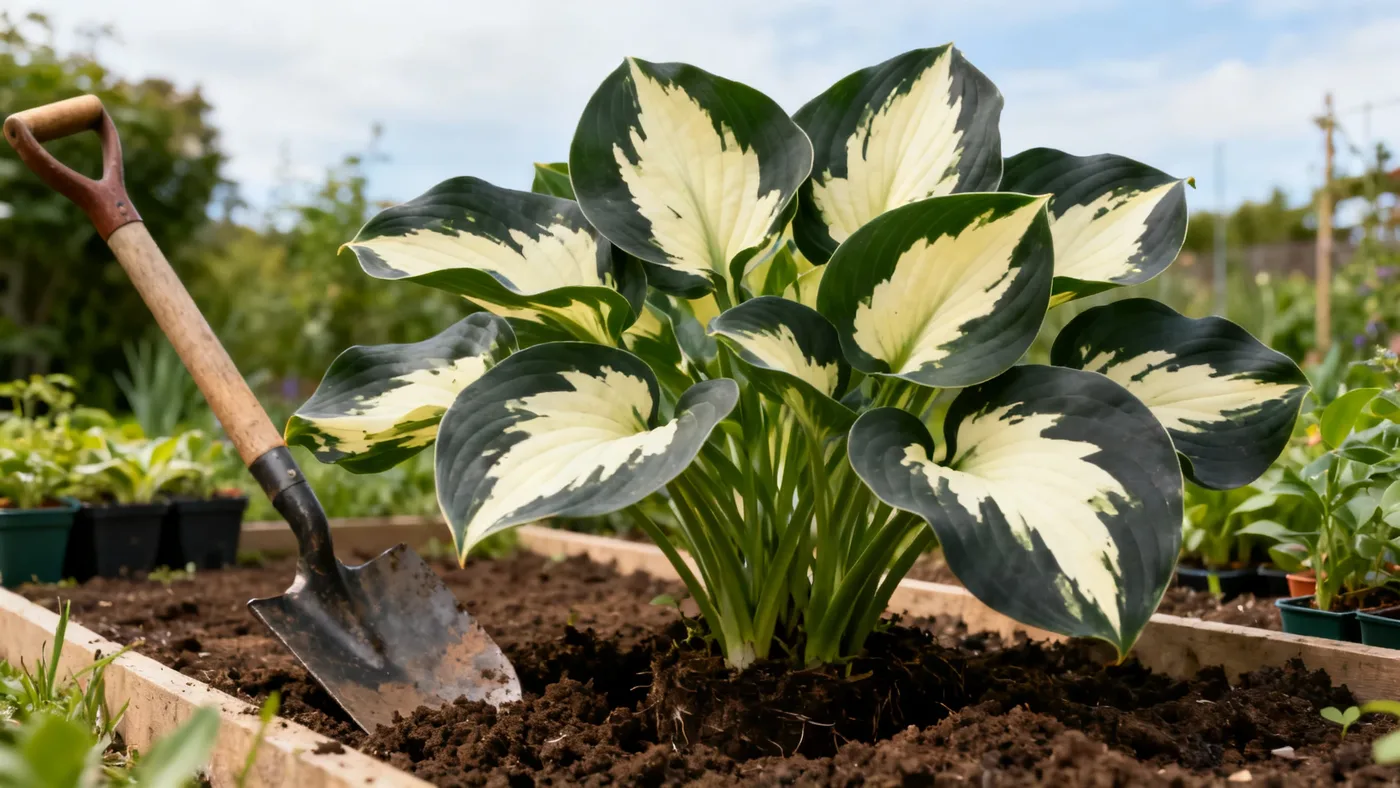
As fall transitions to winter, your Plantation Lily (Hosta 'Patriot') undergoes a remarkable transformation. The lush, variegated foliage that anchored your shade garden through summer yellows and collapses at the first hard frost, leaving behind only a dormant crown at soil level. Unlike evergreen shade plants that remain visible year-round, Plantation Lily vanishes entirely. Yet there's no cause for alarm. This hardy perennial doesn't require coddling, special structures, or extensive protective measures to survive the cold.
If you're gardening in zones 3 through 9, your Plantation Lily will return reliably each spring. The difference between a thriving clump and one struggling with rot comes down to a few straightforward practices done in late fall and early winter. Getting these details right now sets your plant up for vigorous growth when the soil warms.
Does Plantation Lily Die in Winter? The Truth About Dormancy
No, Plantation Lily does not die in winter. Instead, it goes completely dormant and deciduous. The foliage collapses. The plant disappears. The entire visible structure retreats underground to the crown, where it waits safely beneath the soil until spring arrives.
This dormancy is not a weakness. It's the plant's survival strategy, refined over thousands of years in its native range across Japan, Korea, and China. Every ounce of energy withdraws into the crown and roots, protected underground from harsh conditions. The plant literally pauses life processes and resumes them when conditions become favorable again.
Dormancy and cold hardiness work together. Dormancy is the plant's survival mechanism. Cold hardiness is its ability to survive temperatures in your zone. Plantation Lily is rated hardy in zones 3 through 9, meaning its crown can withstand the average annual minimum temperatures in those regions without damage. Zone 3 can drop to minus 40 degrees Fahrenheit. Zone 9 rarely dips below 20 degrees. Wherever you fall in that range, your Plantation Lily has the genetic capacity to survive.
Why Plantation Lily Thrives Across Such a Wide Range
Hardiness ratings tell you about survival, not ease of growth. A Plantation Lily in zone 3 will survive every winter, but it experiences a shorter growing season than one in zone 7 or zone 8. The plant waits longer for soil to warm in spring, then must accumulate enough energy before frost returns in fall. Growth still happens steadily. The plant will eventually reach its mature size of 18 to 24 inches tall and 24 to 36 inches wide, typically within 3 to 4 years. The pace is simply a bit slower in colder zones.
In warmer zones like zone 8 or zone 9, your Plantation Lily gets more growing days and reaches maturity faster. The tradeoff is that dormancy arrives later in fall and breaks earlier in spring. This timing creates a different challenge, not a hardiness problem. Late spring frosts can catch emerging shoots. This is manageable and not a reason to avoid growing Plantation Lily in warm zones. It's simply why fall cleanup matters everywhere.
Fall Cleanup: The Single Most Important Winter Task
The most critical winter preparation happens before winter arrives. In late fall, after your region's first hard frost, cut back all dead foliage and remove it completely from the garden. Wait until foliage is fully blackened and collapsed. Don't jump the gun and remove leaves that still have any green.
This cleanup is essential because dead foliage left standing or heaped on the crown creates conditions that invite problems. A dense mat of dead leaves traps moisture, creates shelter for slugs and snails, and allows fungi to establish. More importantly, moisture settles directly against the crown and petioles (the leaf stems), creating the perfect environment for crown rot and petiole rot. You've invested a full season in growing a healthy clump. Thirty minutes of cleanup in late fall prevents serious setbacks in spring.
After you've cleared the dead leaves, look at the crown itself. It should be visible as a compact, brownish mound sitting at or slightly below soil level. If soil has washed away and the crown sits high above ground, gently pull soil back around it. The goal is for the crown to nestle into the soil, protected on all sides. If you notice severe erosion, note it for spring when you can make amending decisions with a clear view of the planting area.
Crown Rot: The Real Winter Risk
The actual threat to your Plantation Lily in winter is not freezing temperatures. It's moisture. A crown sitting in waterlogged soil through winter's freeze-thaw cycles is far more likely to rot than one resting in cold but well-drained earth. This is why the soil preparation phase of growing Plantation Lily matters long before winter arrives.
Plantation Lily thrives in humus-rich, well-drained loam with a pH between 6.0 and 7.0. "Well-drained" means water moves through the soil steadily and doesn't accumulate around the crown. If your garden naturally stays wet, or if your region experiences extended winter precipitation, amend the planting area with 2 to 3 inches of compost worked into the top 8 to 10 inches of soil. If your site drains poorly and amendment doesn't help, grow your Plantation Lily in a large container where you control the soil and drainage completely.
A light mulch layer in late fall can help, but apply it thoughtfully. Aim for 1 to 2 inches of shredded bark or composted leaves. Crucially, start the mulch ring 2 inches away from the crown and extend it outward to the edge of where the foliage mound was. Never pile mulch directly over the crown. The goal is to insulate the surrounding soil and suppress weeds, not to blanket the crown itself.
Winter Care Varies by Climate Zone
Zones 3 to 5: Deep Cold Winters
Your Plantation Lily will enter complete dormancy and stay dormant. Snow is beneficial, not a problem. If snow covers your bed, leave it undisturbed. It's the best natural insulation available. In late fall, cut back dead foliage, remove all debris, add a light mulch layer away from the crown, and then step away. The crown needs nothing else. Winter will do its job without help.
Zones 6 to 7: Moderate Winters
Dormancy is solid and reliable, but late-winter warm spells might nudge the crown into early activity. You might see new shoots emerge in late February, only to experience a hard freeze in March. This pattern has occurred naturally for millennia. The crown is remarkably resilient. Follow the same fall cleanup and light mulching routine, then let cold do its work. Your plant will be fine.
Zones 8 to 9: Mild Winters
This is where crown rot risk actually increases. Warmer temperatures mean slower, less complete dormancy, more frequent freeze-thaw cycles, and higher overall moisture. Your Plantation Lily will likely never experience truly killing cold, but it might face more wet days and temperature volatility. Don't skip fall cleanup in these zones. Verify that drainage is excellent. Consider reducing mulch depth to 1 inch or omitting mulch entirely if your soil is already moist. Watch the crown closely when shoots emerge in spring for any soft spots or odor that signals rot.
What Not to Do in Winter
Some gardeners worry that Plantation Lily needs winter protection similar to tender perennials or tropical plants. Resist this urge. Your plant is hardy to zone 3. It doesn't need the protective structures, heavy mulch, or burlap wrapping that might help a less hardy species.
Heavy mulch applied over the crown traps moisture and causes rot. Burlap and other coverings create moisture pockets and invite damage from weather and wind. Don't supplement with water or fertilizer during dormancy. A dormant plant has no use for either. Both can harm the plant by keeping it partially active or by creating conditions for rot. Don't dig up the plant for safekeeping. Don't move it to a sheltered location. Don't prune back only partway, leaving some foliage standing as if covering the plant. When you prune, make the cut clean and complete, or don't cut at all until spring.
Spring: When Winter Care Proves Its Worth
If you've handled fall cleanup properly and protected against crown rot, spring delivers its reward. In mid to late spring, new shoots will emerge from the crown. A healthy, mature clump produces multiple shoots, each growing into a full rosette of the variegated foliage that makes Plantation Lily distinctive.
The timing depends on your zone. In zone 3, emergence might not occur until late April or early May. In zone 9, shoots could appear in late March. Check your region's average last frost date and expect Plantation Lily to emerge a week or two after that date.
Once shoots reach 3 to 4 inches tall and hard frost danger has clearly passed, you can apply a balanced slow-release fertilizer if desired. Light feeding in early spring supports the season's growth surge. For complete information on planting and its first-year care, see our guide on planting Plantation Lily and supporting it through its first weeks.
For year-round growing best practices, explore the complete Plantation Lily care guide, which covers feeding, watering, pest management, and all other aspects of keeping this perennial thriving season after season.
Winter Care Quick Reference
| Task | When | Details |
|---|---|---|
| Cut back dead foliage | Late fall, after hard frost | Wait until foliage is fully black and collapsed. Remove all dead material from the garden. Expose the crown completely. |
| Apply light mulch (optional) | Late fall | Use 1-2 inches of shredded bark or composted leaves. Start 2 inches away from crown. Extend to the edge of the foliage mound. |
| Verify soil drainage | Fall | Check that water doesn't pool around the crown. Amend with compost if drainage is poor. Soggy soil creates rot risk, especially in zones 8-9. |
| Remove mulch (optional) | Early spring, soil unfrozen | Pull mulch back from crown as temperatures rise. Clear space for emerging shoots to break through easily. |
| Monitor crown health | Winter and early spring | Inspect in spring for soft spots, discoloration, or foul odor. Healthy crowns are firm and smell earthy. |
| Fertilize (optional) | Early spring, shoots 3-4 inches tall | Apply light balanced slow-release fertilizer. Avoid heavy nitrogen, which can weaken variegation. |