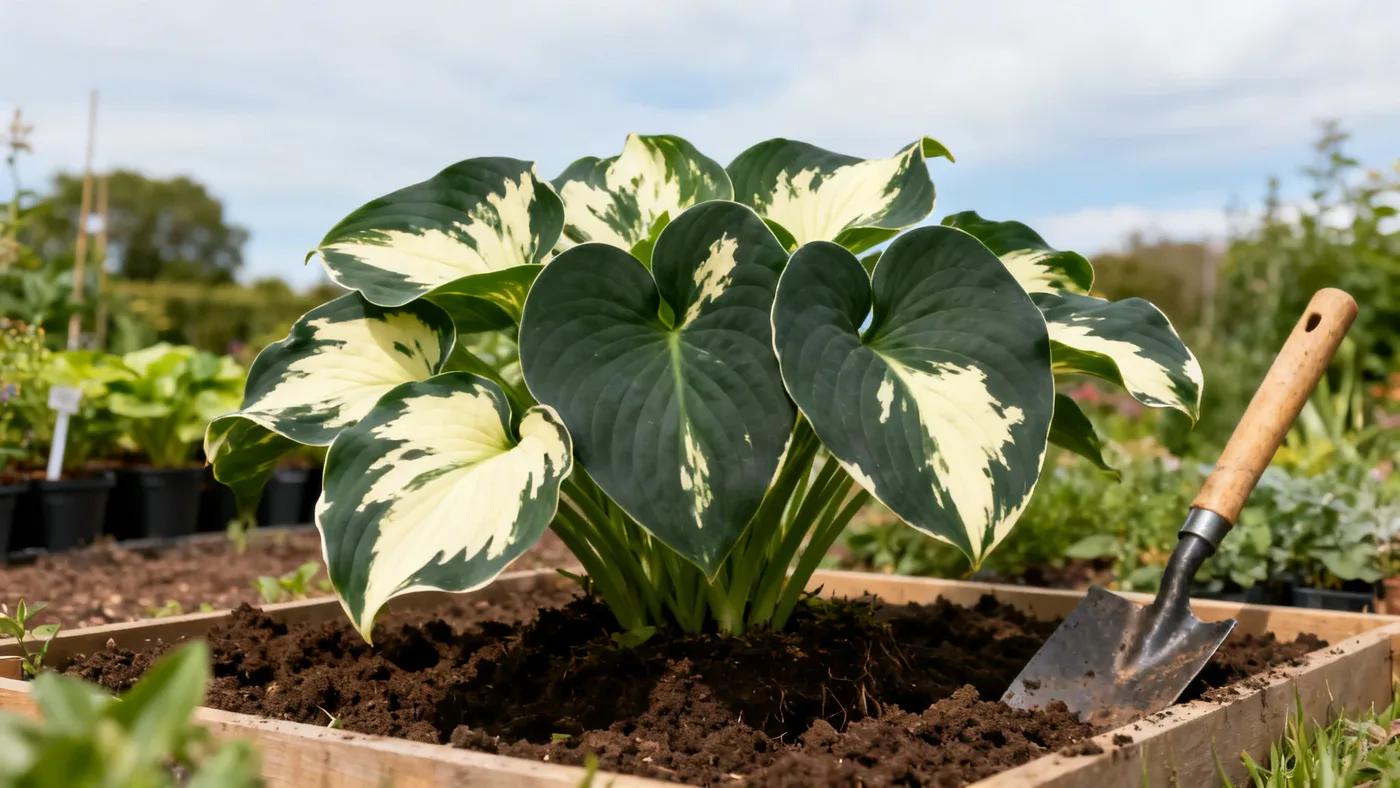
Plantation Lily Hardiness Zones: Where It Grows Best
Plantation Lily (Hosta 'Patriot') is a cold-hardy perennial that thrives in USDA hardiness zones 3 through 9. This wide range spans from the coldest parts of the northern United States (Minnesota, Wisconsin, Maine) down through the Upper South and into warm zones like Texas and Florida. Zone number alone does not tell the whole story; factors like sun exposure, moisture, and summer heat all affect how well your Plantation Lily performs.
Whether you're a northern gardener concerned about winter survival or a southern grower worried about heat stress, this guide answers the most common questions about growing Plantation Lily in different hardiness zones.
Understanding Hardiness Zones
What hardiness zones can Plantation Lily grow in?
Plantation Lily thrives in USDA hardiness zones 3 through 9. This range spans from the coldest parts of the northern United States down through the Upper South and into warm zones. The zone rating reflects the plant's ability to survive the average annual minimum winter temperature in each region.
Is Plantation Lily cold hardy?
Yes, Plantation Lily is very cold hardy and survives winter temperatures as low as zone 3 (minimum around -40 degrees Fahrenheit). In these northern zones, the plant dies back completely to the crown after a hard frost and emerges fresh from the roots each spring without any winter damage.
Can Plantation Lily grow in zone 2?
Plantation Lily is not rated for zone 2, as the extreme cold may exceed its winter hardiness. If you live in zone 2, check with a local extension service about cold-hardy hosta alternatives or consult about creating a sheltered microclimate.
What is the difference between hardiness zone and microclimate?
Hardiness zone is a broad temperature range for your region, but microclimates are small pockets within your garden that may be warmer or colder. A shaded spot at the base of a south-facing wall can be 5-10 degrees warmer than an exposed north-facing slope. Use your zone as a starting point, but let your specific garden conditions guide final placement.
Cold Hardiness and Winter Survival
Does Plantation Lily need winter protection in cold zones?
In zones 3 through 7, Plantation Lily does not require special winter protection. The plant is hardy enough to overwinter outdoors without additional mulch or cover. A light layer of leaf litter naturally accumulating over winter (2 to 3 inches) is beneficial, and removing dead foliage in early spring before new growth emerges is all the post-winter care needed.
What happens to Plantation Lily in winter?
Plantation Lily is fully deciduous and dies back completely after the first hard frost. The foliage yellows and collapses, leaving no visible plant above ground. The crown (root system and growing point) remains dormant underground and is protected by the soil, then emerges fresh in spring.
Will Plantation Lily survive a late spring frost after sprouting?
Yes, new Plantation Lily shoots can tolerate frost. Hosta foliage is very frost hardy even when newly emerged in spring, so a late-season freeze is unlikely to kill the plant or significantly set back growth. If shoots are damaged, the plant will typically regenerate from the crown.
How do I care for Plantation Lily after winter?
Cut back and remove dead foliage in late fall after frost or in early spring before new growth emerges. No other winter care is needed. Remove any remaining mulch or leaves once you see new shoots breaking through the soil in spring.
Heat and Sun Tolerance in Warm Zones
Does Plantation Lily tolerate heat in zone 9?
Plantation Lily can grow in zone 9, but it requires afternoon shade to prevent leaf scorch. The combination of high summer heat and direct sun stresses the plant and causes foliage to brown or bleach. Plant in a location that receives morning sun but is shaded from hot afternoon rays (after 2 p.m.).
What causes leaf scorch on Plantation Lily?
Leaf scorch occurs when the plant receives too much direct sun, especially in hot or dry conditions. The edges and centers of the large leaves brown or bleach, making the plant look stressed. Scorch is most common in zones 8-9 or in zones 6-7 locations that get afternoon sun without relief during high-heat summers.
Does Plantation Lily need shade in cooler northern zones like zone 4?
Yes, Plantation Lily needs shade in northern zones, but can tolerate more morning sun than in hot regions. In zones 3 to 5, plant in part shade to full shade, with a preference for locations that receive gentle morning or dappled sun. In zone 6 and warmer, afternoon shade becomes increasingly important to prevent leaf scorch.
Can I grow Plantation Lily in a spot with morning sun in zone 8?
Yes, zone 8 gardens can include morning sun with afternoon shade. The key is ensuring the plant gets shade from noon or 1 p.m. onward. Check the shade pattern at the proposed planting spot during summer, not just spring, as the sun angle shifts and shade coverage changes throughout the year.
Planting Timing and Establishment
When should I plant Plantation Lily?
Plant Plantation Lily in spring or early fall. Spring planting (as soon as soil is workable) gives the plant the most time to establish roots before winter. Early fall planting (August to September) is also excellent, as long as the plant has at least 6 weeks before the first hard frost to settle in.
Is fall planting better than spring for Plantation Lily?
Both seasons work well. Fall planting offers the advantage of cooler temperatures and increased rainfall, which favor root establishment. Spring planting gives more time before the first winter dormancy. In northern zones (3-5), avoid planting after mid-September to allow adequate root settling before cold arrives.
How long does Plantation Lily take to reach full size?
Plantation Lily is slow to moderate growing. It reaches full mature size (18-24 inches tall and 24-36 inches wide) in approximately 3 to 4 years. The plant typically blooms in its second or third year after planting, though growth speed varies by region, climate, and soil richness.
What spacing should I use when planting multiple Plantation Lilies?
Space plants 24-36 inches apart, center to center. This allows room for the mature clump to expand at a steady rate of roughly 2-4 inches of spread per year. Proper spacing prevents overcrowding and ensures good air circulation.
Regional Growing Differences
What is different about growing Plantation Lily in the North versus the South?
Northern gardeners (zones 3-5) can place Plantation Lily in part shade with some morning sun, as cool temperatures prevent leaf scorch. Southern gardeners (zones 8-9) must prioritize afternoon shade to prevent heat stress and leaf damage. Soil moisture is also more critical in the South, where summer heat and humidity accelerate water loss.
Will Plantation Lily thrive at the cold end of its range (zone 3)?
Yes, Plantation Lily performs very well in zone 3. The plant is fully hardy and returns reliably each spring. Cold winters do not harm the dormant crown. Once established (3-4 years), Plantation Lily is a long-lived perennial that often persists for 20 years or more with minimal care.
Is Plantation Lily suitable for zone 8-9 southern gardens?
Yes, Plantation Lily thrives in zones 8-9 if you provide afternoon shade and consistent moisture. The primary challenge is sun and heat stress rather than cold hardiness. Water deeply about 1 inch per week during dry spells, top-dress with compost annually, and plant in a location shaded by trees or buildings.
Does extreme summer heat in zone 9 affect when Plantation Lily blooms?
In zone 9, Plantation Lily may bloom slightly earlier (July instead of August) due to heat. The mid to late summer bloom window typically occurs July-August and varies by region and year. Despite earlier bloom timing, the plant is worth growing for its striking variegated foliage alone.
Long-Term Growth and Care
How long does Plantation Lily live?
Plantation Lily is a long-lived perennial that commonly persists for 20 years or more in the garden. The plant's lifespan is extended by periodic division (every 5-7 years) and consistent growing conditions (shade, moisture, and rich soil). Once established, it requires minimal care and is an excellent investment for a permanent landscape.
Does Plantation Lily spread or stay contained in its planting area?
Plantation Lily is not invasive and does not spread beyond the planting zone. It grows as a well-behaved clump, expanding at a steady rate of roughly 2-4 inches of spread per year. With proper spacing (24-36 inches apart), multiple plants will eventually touch to form a dense planting, but individual clumps remain distinct and manageable.
Do I need to divide Plantation Lily?
Division is not required for plant health, but dividing every 5-7 years can refresh an aging clump and create new plants. Spring or early fall is the best time to divide. For detailed instructions on caring for Plantation Lily throughout its life cycle, including division techniques, see our complete growing guide.
Quick Reference: Hardiness Zones and Growing Conditions
| Zone Range | Winter Hardiness | Sun Requirements | Key Considerations |
|---|---|---|---|
| Zones 3-5 (Cold) | Very hardy; no winter protection needed | Part shade to full shade; tolerates morning sun | No leaf scorch risk; plant in cooler, shadier spots confidently |
| Zones 6-7 (Temperate) | Fully hardy; dies back completely each winter | Partial shade; afternoon shade in hot summers | Monitor for leaf scorch during heat waves; maintain 1 inch water per week |
| Zones 8-9 (Warm) | Hardy; survives winter dormancy | Part shade to full shade; afternoon shade mandatory | Heat and sun stress are primary concerns; shade and consistent water are critical |
Hardiness Checklist
- Confirm your USDA hardiness zone (Plantation Lily grows in zones 3-9)
- Ensure the planting site has afternoon shade in zones 8-9
- Plan for full shade or part shade with morning sun in all zones
- Prepare rich, well-draining soil amended with compost
- Space plants 24-36 inches apart, center to center
- Plant in spring or early fall
- Water deeply and regularly, about 1 inch per week
- Allow 3-4 years for the plant to reach mature size (18-24 inches tall, 24-36 inches wide)
- Let foliage die back naturally after the first hard frost
- Divide every 5-7 years if desired to rejuvenate the clump