Plantation Lily vs Hosta Francee: What's the Difference?
If you're shopping for a variegated hosta with dark green leaves edged in cream, you've probably noticed that Plantation Lily (Hosta 'Patriot') and Hosta 'Francee' sit side by side on nursery benches. Both are striking shade plants with the same color palette. So what separates them, and which one belongs in your garden?
The Core Difference: Variegation Width
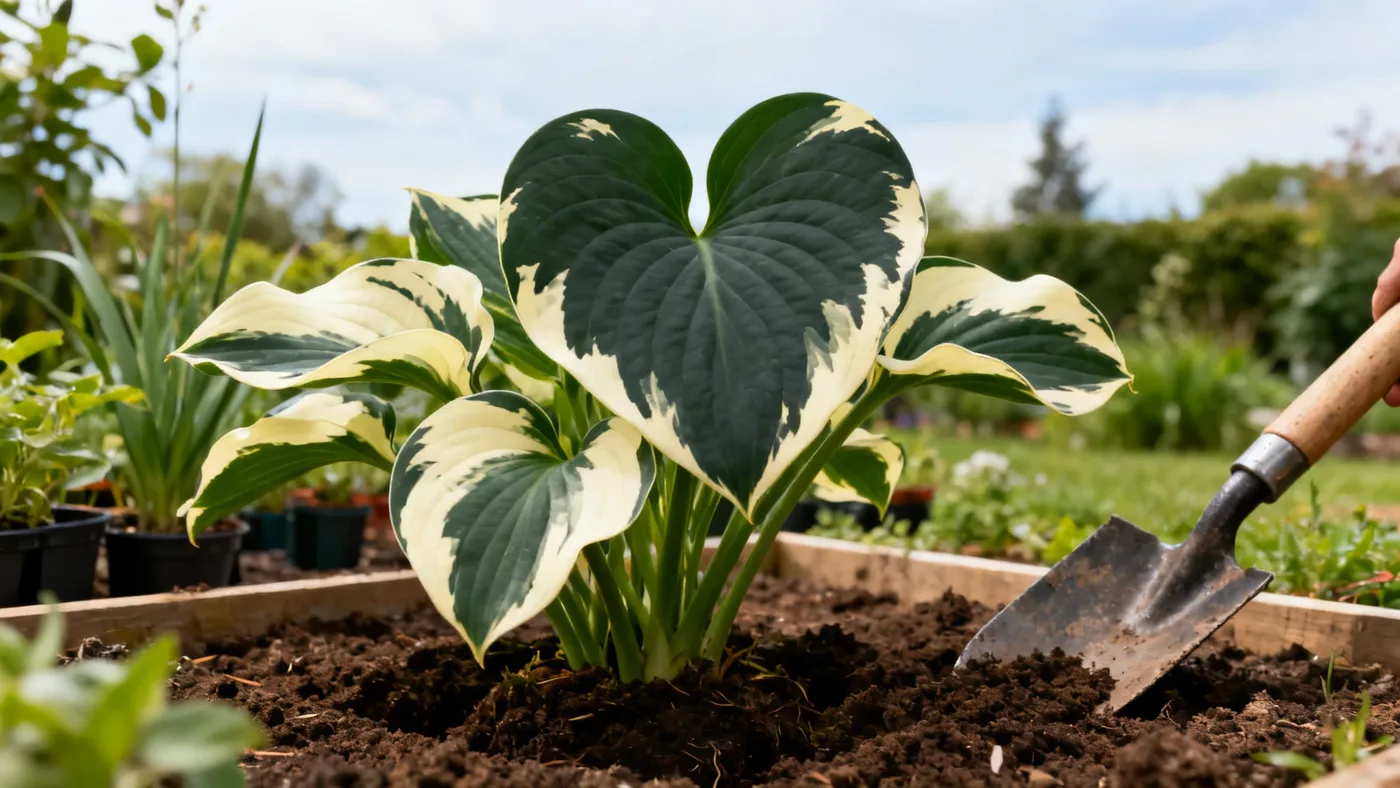
The primary distinction is the width of the white to cream-gold margin on the leaves. Plantation Lily carries a wide, bold, and irregular creamy-white to cream-gold edge that commands attention from across the garden. The variegation is generous and makes a real visual statement.
Hosta 'Francee' has a narrower margin by comparison. The same white edge appears, but in a more restrained frame around the dark green leaf center. If you prefer subtle variegation that doesn't dominate the plant's appearance, 'Francee' leans that direction.
Here's a practical truth: 'Patriot' actually sported (mutated) from 'Francee' in cultivation. Both plants share the same underlying Hosta genetics and growth habit. The margin width is not a size or vigor difference, it's a deliberate selection for leaf pattern. Think of 'Patriot' as 'Francee' with the variegation cranked up a notch.
Structured Comparison Table
| Attribute | Plantation Lily (Hosta 'Patriot') | Hosta 'Francee' |
|---|---|---|
| Leaf margin | Wide, bold, irregular creamy-white to cream-gold | Narrower white margin |
| Visual impact | High contrast, striking variegation | Subtle, refined pattern |
| Foliage color | Dark green center with cream-gold edge | Dark green center with white edge |
| Mature height | 18–24 in (foliage mound); flowers reach 28–30 in | Similar small to medium hosta size |
| Mature width | 24–36 in | Similar spread |
| Growth rate | Slow to moderate; 2–4 in spread per year; 3–4 years to full size | Comparable pace |
| USDA zones | 3–9 | Hardy hosta (similar hardiness) |
| Sun requirement | Part shade to full shade; morning sun OK in cool climates; afternoon shade needed in hot regions | Shade requirement similar |
| Water needs | Consistent moisture; ~1 in/week; intolerant of drought | Standard hosta moisture needs |
| Bloom time | Mid to late summer (July–August, varies by region) | Typical hosta bloom window |
| Bloom color | Pale lavender to near-white | Comparable flower color |
| Commonly confused with | Hosta 'Francee' and Hosta 'Minuteman' | Plantation Lily (Hosta 'Patriot') |
Pros and Cons: Plantation Lily (Hosta 'Patriot')
Pros
- Bold variegation: The wide cream-gold margin is impossible to miss, even in low light. It brightens shady corners without needing bright colors.
- Low maintenance: No staking, no deadheading required for health. Cut back dead foliage after frost in late fall or early spring, and you're done.
- Tough in zones 3–9: Hardy across a wide range of climates from cold northern gardens to warm southern regions.
- Long-lived: Commonly survives 20+ years with periodic division, making it a true investment perennial.
- Attracts pollinators: Hummingbirds and bees visit the summer flowers, adding wildlife interest.
- Container-friendly: Thrives in large pots with good drainage and consistent moisture, perfect for patios or porch shadiness.
Cons
- Slug and snail magnet: Hostas are a preferred food source. You'll need to manage pests with barriers, beer traps, or other slug control methods.
- Deer browse: Plantation Lily is not notably more deer-resistant than other hostas. Tall fencing or repellent sprays are necessary in high-deer areas.
- Slow growth: Patience required. Reaching full mature size takes 3–4 years, and you'll gain only 2–4 inches of spread annually.
- Consistent moisture dependency: Requires about 1 in of water per week. Prolonged drought stresses the plant; it's not a "set and forget" option for dry shade.
- Leaf scorch in hot sun: In hot regions, afternoon sun burns the foliage. It needs shade during peak heat.
- Toxic to pets: Vomiting, diarrhea, and lethargy result if dogs or cats ingest the leaves. Keep it away from pet areas or supervise carefully.
Pros and Cons: Hosta 'Francee'
Pros
- Refined aesthetic: The narrower margin suits gardeners who prefer understated elegance. Less "showy," more sophisticated.
- Hosta heritage: Same reliable care and hardiness as Plantation Lily, with the same hardy zone range and low-maintenance appeal.
- Well-established cultivar: Long history in commerce means it's widely available and well-understood by hosta experts.
Cons
- Less visual punch: The narrower variegation doesn't grab attention the way Plantation Lily does. For gardeners seeking bold foliage contrast, it may feel mild.
- Same pest pressures: Slugs, snails, and deer interest are no less problematic than with 'Patriot'.
- Same water demands: Requires consistent moisture and the same drought intolerance as other hostas.
- Slow establishment: Takes the same 3–4 years to reach full size.
Which One Should You Choose?
Choose Plantation Lily (Hosta 'Patriot') if you...
- Want a bold, high-contrast foliage statement in shade.
- Garden in a shady area where you need visual interest to lift the darkness.
- Prefer a single cultivar for mass plantings (clusters of 3–5 for impact).
- Are creating a shade border that needs a reliable, long-lived backbone plant.
- Enjoy the cream-gold variegation trend and want something that reads as contemporary.
- Plan to grow Plantation Lily in containers on a shaded patio.
- Have the time to monitor for slugs and implement deer exclusion if needed.
Choose Hosta 'Francee' if you...
- Prefer a quieter, more restrained leaf pattern.
- Are designing a formal or woodland shade garden where subtlety matters.
- Want to pair it with other shade plants and don't need one cultivar to dominate.
- Appreciate the heritage of an older, well-tested hosta.
- Have an established relationship with a nursery that specializes in hosta collections.
How Do They Compare to Hosta 'Minuteman'?
You may also encounter Hosta 'Minuteman' in your search. Like both Plantation Lily and 'Francee', it features dark green foliage with a white margin. However, 'Minuteman' typically presents a brighter white edge and remains on the smaller end of the hosta size spectrum, making it ideal if space is tight. The real difference is leaf size and overall presence, not cultural needs, all three share the same shade and moisture requirements and the same hardiness across zones 3–9.
Site Your Choice for Success
Whichever cultivar you choose, proper siting matters more than the variety itself. Plant in part shade to full shade; hostas tolerate more morning sun in cooler northern climates but need afternoon shade protection in hot regions to prevent leaf scorch. Space plants 24–36 in apart, center to center, to allow for full-size spread. Amend the planting hole with compost to create rich, humus-heavy, well-drained loam. Once established, apply a 2-inch mulch layer and maintain about 1 in of water per week. Both cultivars need consistent moisture, neither tolerates prolonged drought.
For a more thorough planting and care guide to either option, see our detailed article on Plantation Lily care.
The Verdict
Plantation Lily and Hosta 'Francee' are siblings in the garden world, separated by the width of a leaf margin. If you want drama in a shady corner and don't mind the wider variegation, Plantation Lily is your choice. If you prefer a more understated approach and like the idea of owning a classic hosta with proven track record, 'Francee' is equally reliable. Both are hardy, long-lived, and virtually identical in their care needs. The decision comes down to aesthetic preference, not horticultural capability.
Quick Reference Checklist
| Task | Plantation Lily | Hosta 'Francee' |
|---|---|---|
| Spacing | 24–36 in apart | 24–36 in apart |
| Watering | ~1 in/week, consistent | ~1 in/week, consistent |
| Sunlight | Part shade to full shade | Part shade to full shade |
| Soil | Rich, humus-heavy, well-drained loam | Rich, humus-heavy, well-drained loam |
| Hardiness | Zones 3–9 | Hardy hosta zones |
| Time to full size | 3–4 years | 3–4 years |
| Bloom time | July–August | Mid to late summer |
| Slug control | Required | Required |
| Deer fencing | Recommended | Recommended |
| Lifespan | 20+ years with division | Long-lived perennial |