Buying Plantation Lily: Container Sizes and What to Look For
Plantation Lily (Hosta 'Patriot') is a stunning shade perennial with variegated foliage that adds year-round visual interest to gardens, borders, and containers. When you're ready to buy, knowing what separates a vigorous, healthy plant from a weak one will save you money and heartache. This guide walks you through container sizes, quality checkpoints, and how to spot a bargain versus a problem.
Understanding Container Sizes and Plant Maturity
Plantation Lily is typically sold in three container sizes at nurseries. Each size represents a different stage of growth and carries different expectations for your garden.
Quart containers (1-quart): These hold young, immature plants that are usually 6-12 months old. Expect modest foliage (roughly 4-8 inches tall) and minimal width. These plants take longer to fill in but offer the lowest entry price. They're ideal if you have patience and want to invest a small amount upfront.
#1 containers: Often called "one-gallon" by gardeners, #1 pots hold more established plants, typically 1-2 years old. Foliage is fuller and more impressive out of the pot, usually 8-14 inches tall. Most home gardeners find this size the sweet spot for value and garden-ready appearance.
#3 containers: These larger pots hold mature specimens, 2-3+ years old, with substantial foliage clumps (14-24 inches tall or more). Plants in #3 containers are often closer to their mature width of 24-36 inches. They cost more but deliver immediate garden impact and may even flower in their first year if they've reached blooming age (typically 2nd-3rd year).
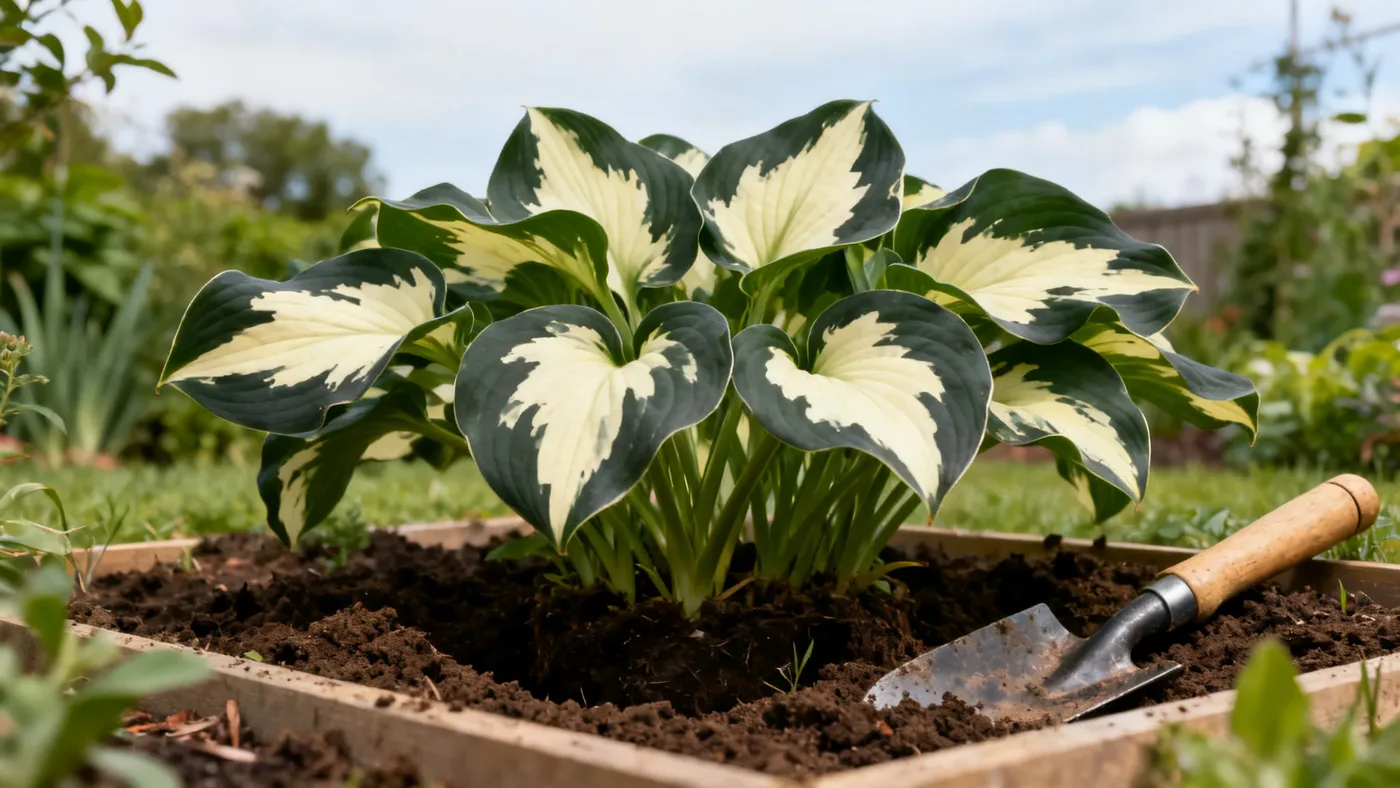
Plantation Lily reaches full mature clump size in 3-4 years from planting, regardless of which size you start with. If you're buying a quart or #1 plant, budget for that timeline before expecting the dense, lush mound shown in photographs.
What to Look For: Quality Indicators
Healthy Plantation Lily plants share several visual hallmarks. Train your eye to spot them before you hand over cash.
Foliage color and texture: Look for deep, dark green leaves with crisp, well-defined creamy-white to cream-gold margins. The variegation should be consistent across most leaves, not faded or dingy. Leaves should feel firm and turgid (plump with moisture), not papery or dull. Avoid plants where the white margins look yellowed or brown at the edges.
Leaf wholeness: Inspect the undersides and centers of the foliage clump for holes, ragged edges, or signs of chewing. A few minor blemishes are normal in the nursery, but widespread damage suggests neglect or pest pressure (typically slugs or snails in wet environments).
Crown and soil: The crown (where all the stems emerge from the soil) should be firm, not soft or mushy. Gently press the crown area. If it yields easily or smells earthy/rotten, the plant may be suffering from crown rot, a sign of chronic overwatering. The soil should be moist but not waterlogged. If the pot feels bone-dry, the plant has been neglected; if it's sopping, it may have been stressed.
Growth form: Plants should have multiple stems or growth points emerging from the crown, not a single stem. More crowns means fuller, more mature growth. In smaller (quart or #1) plants, look for at least 2-3 visible growth points; #3 plants should show 4 or more.
Vigor: The plant should look alert and upright. Drooping, collapsed foliage or leaves that wilt despite wet soil are red flags. A healthy plant shows no sign of stress; if you're unsure, ask the nursery staff when the plant was last watered.
Comparing Key Features and Characteristics
Beyond size and health, certain features matter depending on where you'll plant your Plantation Lily.
| Feature | What to Check | Why It Matters |
|---|---|---|
| Variegation clarity | Margins should be bold, creamy-white to cream-gold, not faint or mottled | Poor variegation can signal heavy nitrogen feeding (weakens plants) or virus stress |
| Leaf size | Heart-shaped leaves should be large (3-6 inches wide on mature parts); smaller leaves on young growth are normal | Undersized leaves in mature regions suggest nutrient stress or age |
| Stem count and spacing | Multiple stems should emerge from separate crown locations, not all bunched in one spot | Multiple, well-spaced stems indicate a clump that will fill out faster and wider |
| Root visibility (if pot permits) | Roots should be white or tan, not brown or black; minimal circling at the base is normal | Brown or rotted roots indicate poor drainage or root disease; heavy circling means root-bound stress |
| Foliage density | The foliage mound should be proportional to the container (not sparse or gaping) | Sparse growth relative to pot size suggests stress, poor growing conditions, or recent arrival from propagation |
Price Points and Value Assessment
Plantation Lily prices vary widely by region, season, and retailer. Knowing typical ranges helps you spot genuine bargains versus discounted clearance plants with hidden problems.
Budget tier ($8-16): Expect quart or small #1 containers at chain garden centers or mail-order suppliers. These plants are often younger, less established, but perfectly healthy if quality indicators check out. Best for: gardeners with patience and tight budgets.
Mid-range ($16-35): Typical #1 containers from independent nurseries or specialty growers. Plants are well-rooted, mature enough to look impressive immediately, and backed by grower reputation. Best for: most home gardeners seeking a good balance of price and garden-ready size.
Premium tier ($35-60+): #3 containers or named cultivars with documented provenance. Plants are large, often on the verge of blooming or already flowering. Best for: landscapers, container gardeners, or anyone who wants landscape-scale impact year one.
Watch for clearance sales in late summer or early fall (when nurseries make room for new stock). Healthy plants marked down 20-30 percent are excellent deals; anything cheaper than that often signals a reason (overgrown, disease, neglect).
Red Flags to Avoid
Certain signs should stop you before checkout. Some problems are cosmetic; others are deal-breakers.
Leaves with holes or ragged edges: A few minor imperfections are cosmetic, but widespread damage (more than 20-30 percent of foliage affected) suggests slugs, snails, or neglect. These pests travel to your garden with the plant.
Leaf scorch (brown, crispy leaf margins): Dark or burnt-looking edges on otherwise healthy leaves indicate sun stress or salt damage. If the plant was grown in shade and has scorch, it's been exposed to harsh conditions recently and may struggle to recover.
Soft, mushy crown: Press gently at the soil surface. If the crown feels squishy or smells like wet earth mixed with rot, crown rot is present. This fungal disease is difficult to reverse once established.
Mottled or oddly patterned leaves (beyond normal variegation): The Plantation Lily's white margins are crisp and consistent. Irregular mottling, light streaking, or wavy patterns not matching the normal variegation may indicate Hosta Virus X (HVX). Infected plants often look weak overall. Avoid these.
Bone-dry or waterlogged soil: Either extreme signals poor nursery care. Bone-dry plants are easier to recover (rehydrate immediately and monitor), but chronically wet plants may have root or crown rot already underway.
Single-stem growth in large containers: A #3 pot with only one stem emerging suggests the plant was recently divided or is struggling. Look for plants with multiple stems for faster clump development.
Where to Buy Plantation Lily
Your options depend on budget, timing, and willingness to mail-order.
Local independent nurseries: Best source for hands-on inspection and personalized care advice. Staff often know which cultivars perform well in your region. Plants are usually hardy in USDA zones 3-9, so confirm your hardiness zone. Expect mid-range to premium pricing.
Mail-order hosta and shade-plant specialists: Extensive selection and detailed descriptions online. Plants arrive bare-root or in quart containers. Shipping costs add 15-30 percent to the plant price. Reputable growers warrant arrival and offer replacements for damaged shipments. Nurseries publishing site-specific growing guides (mentioning sun tolerance, regional timing, and spacing like "24-36 inches apart") signal expertise worth paying for.
Chain garden centers: Seasonal availability, budget-friendly prices, and lower hands-on expertise. Quality varies by location and season. Inspect plants carefully; staff may not be familiar with hosta-specific care. Best for: off-season impulse buys where you can see the plant in person.
Online retailers and aggregators: Wide selection, competitive pricing, but you're buying blind. Shipping damage is a risk. Read recent reviews specifically about Plantation Lily or Hosta plants, not general ratings.
Regardless of source, confirm the botanical name before purchasing. You want Hosta 'Patriot' (sometimes listed as a sport of Hosta 'Francee'). Avoid plants labeled only as "variegated hosta" or "white-edged hosta" without the cultivar name.
Care After Purchase: Early Success
Once you've bought your plant, a few steps in the first weeks determine whether it thrives or struggles.
Planting timing: Spring or early fall are ideal. Plant immediately if you buy in these seasons. If you buy in summer, acclimate the plant gradually to outdoor light and keep soil consistently moist during the heat.
Light: Plant in part shade to full shade. Plantation Lily tolerates more morning sun in cooler/northern climates, but needs afternoon shade in hot regions to prevent leaf scorch. If unsure about your site, err on the shadier side; additional light is easier to manage than reversing sun damage.
Soil and spacing: Amend planting soil with compost for drainage and nutrient retention. Space plants 24-36 inches apart, center to center, to allow for the 24-36 inch mature width. Don't crowd them; tight spacing limits air circulation and invites disease.
Water: Provide about 1 inch per week of consistent moisture. Overwatering is a common mistake; the soil should be moist, not soggy. Let it dry slightly between waterings, especially in spring when the plant is waking up.
For detailed post-purchase care, consult the full Plantation Lily care guide and our notes on sun requirements. Both cover watering schedules, seasonal pruning, and long-term maintenance.
Quick Reference: Buying Checklist
| Checklist Item | Pass / Fail |
|---|---|
| Foliage is dark green with crisp creamy-white margins | [ ] Pass [ ] Fail |
| No holes, ragged edges, or widespread chewing damage on leaves | [ ] Pass [ ] Fail |
| Crown is firm, not soft or mushy | [ ] Pass [ ] Fail |
| Soil is moist but not waterlogged | [ ] Pass [ ] Fail |
| Plant has 2+ stems or growth points (quart/1-gal); 4+ for #3 | [ ] Pass [ ] Fail |
| No scorch, wilting, or signs of virus (mottling, streaking) | [ ] Pass [ ] Fail |
| Visible roots are white or tan, not brown/black | [ ] Pass [ ] Fail |
| Plant label clearly states 'Hosta 'Patriot'' (not generic "variegated hosta") | [ ] Pass [ ] Fail |
| Price is reasonable for container size and regional market | [ ] Pass [ ] Fail |
Buying decision: All items should pass. If even one fails, move on to the next plant. A healthy Plantation Lily is worth waiting for.