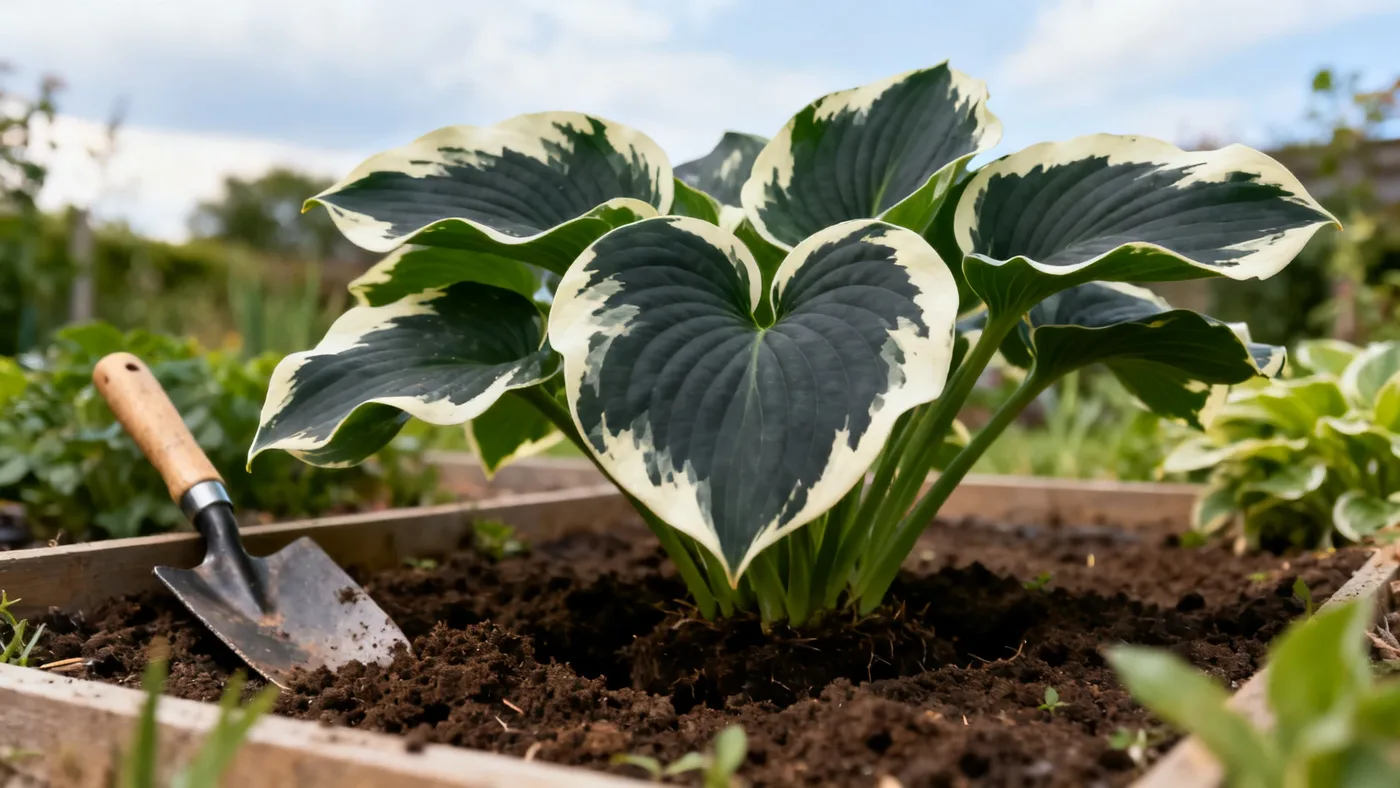
Plantation Lily Shade Tolerance: Does It Need Sun?
Yes, Plantation Lily (Hosta 'Patriot') grows in full shade. In fact, it prefers shaded conditions over sun. But there's more nuance to its light needs than that simple answer. Your region's climate, the intensity of available light, and the direction of sun exposure all matter when you're deciding where to plant this striking foliage perennial.
Understanding Plantation Lily's Sun and Shade Tolerance
Plantation Lily grows best in part shade to full shade. The plant tolerates more morning sun in cooler and northern climates (USDA zones 3-6), while it needs afternoon shade in hot regions to prevent leaf scorch. If you live in zones 7-9 with hot summers, afternoon sun can burn the foliage, turning leaf edges brown and papery.
This shade preference comes naturally. Hostas, the parent genus of Plantation Lily, evolved in the understory of forests in Japan, Korea, and China, where dappled light filters through taller trees. Your Plantation Lily will signal when light conditions are wrong: scorched or yellowed leaves usually mean too much direct sun, especially in afternoon heat.
The good news: Plantation Lily is one of the most reliable shade tolerant hosta varieties you can plant. It flowers reliably and maintains its distinctive dark green foliage with wide cream-colored margins even in deep shade. You don't need much sun to grow it well.
Step 1: Assess Your Site's Light Conditions
Before planting, spend a few days observing your chosen spot. Light changes throughout the day and across seasons, so a quick glance isn't enough.
- Watch the area from morning through late afternoon. Note when direct sun hits the spot and for how long. Morning sun in spring and early summer feels gentle; afternoon sun in July and August delivers intense heat.
- Check the tree canopy above. Is the shade cast by deciduous trees (which lose leaves in winter) or evergreens (which keep them year-round)? Deciduous shade is lighter in spring and brighter after leaf drop in fall. Evergreen shade is consistent but denser.
- Measure light intensity if possible. If you have 2-4 hours of morning sun and afternoon shade, your spot is ideal. If you have filtered light all day under a tree canopy, that works too. Even a spot with no direct sun, only ambient daylight, suits Plantation Lily.
- Record your region. Note your USDA zone. If you're in zones 7-9, plan to keep afternoon sun off the plant. In zones 3-6, light morning sun is fine and may even help variegation stay vibrant.
Step 2: Prepare Your Planting Site
Once you've identified a shaded location, prepare the soil. Plantation Lily thrives in rich, humus-heavy, well-drained loam. The plant needs consistent moisture, about 1 inch per week, but not waterlogged soil.
- Amend the soil with compost. Work 2-3 inches of finished compost into the top 8-10 inches of soil. This improves drainage, adds organic matter, and creates the humus-rich environment Plantation Lily prefers.
- Check soil pH. Aim for slightly acidic to neutral soil, between 6.0-7.0. If you're unsure, a simple soil test kit from a garden center will clarify.
- Space multiple plants properly. If planting more than one Plantation Lily, set them 24-36 inches apart, center to center. In shade, avoid crowding; air circulation helps prevent disease.
- Dig a hole slightly wider than the plant's root ball. The hole depth should match the depth of the container so the crown (where roots meet foliage) sits at soil level, not buried.
Step 3: Position Your Plant by Light Scenario
Where you position Plantation Lily within your shaded area depends on exactly how much light is available.
For Full Shade or Very Low Light
- Plant Plantation Lily directly in the shadiest spot. It thrives here and will bloom reliably in mid to late summer (July-August, depending on your region) even without direct sun. The pale lavender flower scapes will reach 28-30 inches tall.
- Ensure soil moisture is consistent. Shade can mean slower evaporation, so check soil regularly to avoid both drought and waterlogging. Water deeply about 1 inch per week if rain doesn't provide it.
For Part Shade with Morning Sun
- Plant where the morning sun reaches (before 10 a.m. or 11 a.m.). This setup works especially well in cooler climates. The plant will develop richer, more vibrant variegation with this gentler light.
- Verify afternoon sun doesn't reach the plant after noon. If intense afternoon sun creeps in during summer, your spot may shift over the season as the sun's path changes. If you're in zones 7-9, afternoon shade is essential.
For Dappled Shade Under Trees
- Plant beneath deciduous trees (oak, maple, birch) where filtered light dances across the foliage throughout the day. This is ideal for Plantation Lily and mimics its native forest habitat.
- Stay clear of tree root zones if possible. Tree roots compete for water and nutrients. If planting near a tree is your only option, amend soil generously and water more consistently.
Step 4: Water and Monitor After Planting
Shaded sites often retain moisture longer than sunny spots, but Plantation Lily still needs consistent watering, especially the first season.
- Water immediately after planting. Settle the soil and establish contact between roots and soil.
- Water deeply about 1 inch per week. More frequent, shallow watering encourages weak roots. Shade reduces evaporation, so check soil before watering again; it may still be moist from the previous watering.
- Watch for leaf scorch in the first few weeks. If you see brown or burned leaf edges despite your shaded spot, the plant may have received unexpected direct sun (perhaps from a reflected angle) or the spot is warmer than you calculated. Consider moving the plant if damage is severe, though established hostas recover well.
- Mulch lightly with 1-2 inches of organic matter. Shredded bark or compost keeps soil cool and retains moisture without smothering the crown. Keep mulch a few inches away from the base.
Common Mistakes to Avoid
Planting in afternoon sun. Even 3-4 hours of afternoon sun in zones 7-9 can cause leaf scorch. If your site gets afternoon western sun, it's too bright, especially in summer.
Assuming shade equals dry soil. Many gardeners think shaded spots stay wetter but forget that shade from buildings or dense evergreens can actually create a rain shadow. Check soil moisture regularly; don't assume water is consistent just because the spot is shaded.
Expecting full variegation in very deep shade. Plantation Lily's creamy-white margins may appear less bright in extremely low light, but the plant remains healthy and attractive. Some variegation loss is a trade-off for growing in deep shade.
Crowding plants in shade. Shade reduces air circulation. Plant at the recommended 24-36 inch spacing to allow foliage to dry after rain and reduce fungal disease risk.
Overwatering in shade. Slower evaporation in shaded spots means excess water lingers. Wet soil, especially around the crown, invites root rot. Let the top inch of soil dry slightly between waterings.
What to Expect in Shaded Conditions
Plantation Lily in full shade may develop more slowly than one in part shade. Growth is typically slow to moderate, gaining 2-4 inches of spread per year and reaching full clump size in 3-4 years. In very deep shade, growth may be slightly slower, but the plant will still fill out as a mature mound of 18-24 inches tall and 24-36 inches wide.
Foliage color and variegation quality can help you evaluate whether your light conditions are ideal. If the cream-colored margins start to fade to pale green, the plant is receiving less light than it prefers, though it will continue growing. If leaf edges show brown burn marks, the plant is receiving too much direct sun and should be repositioned or shaded further.
For more details on keeping your Plantation Lily healthy year-round, see our complete growing guide. If you're refining your watering routine, our watering guide covers moisture needs in different seasons and soil types.
Quick Reference: Light Requirements and Positioning
| Light Condition | Zones 3-6 | Zones 7-9 | Expected Result |
|---|---|---|---|
| Full shade | Ideal | Ideal | Healthy foliage, reliable blooms, slower growth |
| Part shade (2-4 hr morning sun) | Excellent | Good if afternoon shaded | Vibrant variegation, strong growth |
| Dappled shade all day | Excellent | Excellent | Balanced growth, good foliage color |
| Afternoon sun (3+ hours) | Acceptable with water | Risk of leaf scorch | Potential burned leaf edges |
| Full sun (6+ hours) | Poor | Poor | Leaf scorch, stress |
Checklist: Positioning Your Plantation Lily
- Confirmed your USDA zone (3-9)
- Observed your site for a full day to map sun and shade patterns
- Amended soil with compost and checked pH (target 6.0-7.0)
- Ensured afternoon shade, especially if you're in zones 7-9
- Planned spacing 24-36 inches apart if planting multiple plants
- Set up consistent watering at 1 inch per week
- Applied 1-2 inches of mulch, away from the crown
- Ready to monitor foliage for signs of light stress in the first month