Is Plantation Lily Toxic to Dogs, Cats or Kids?
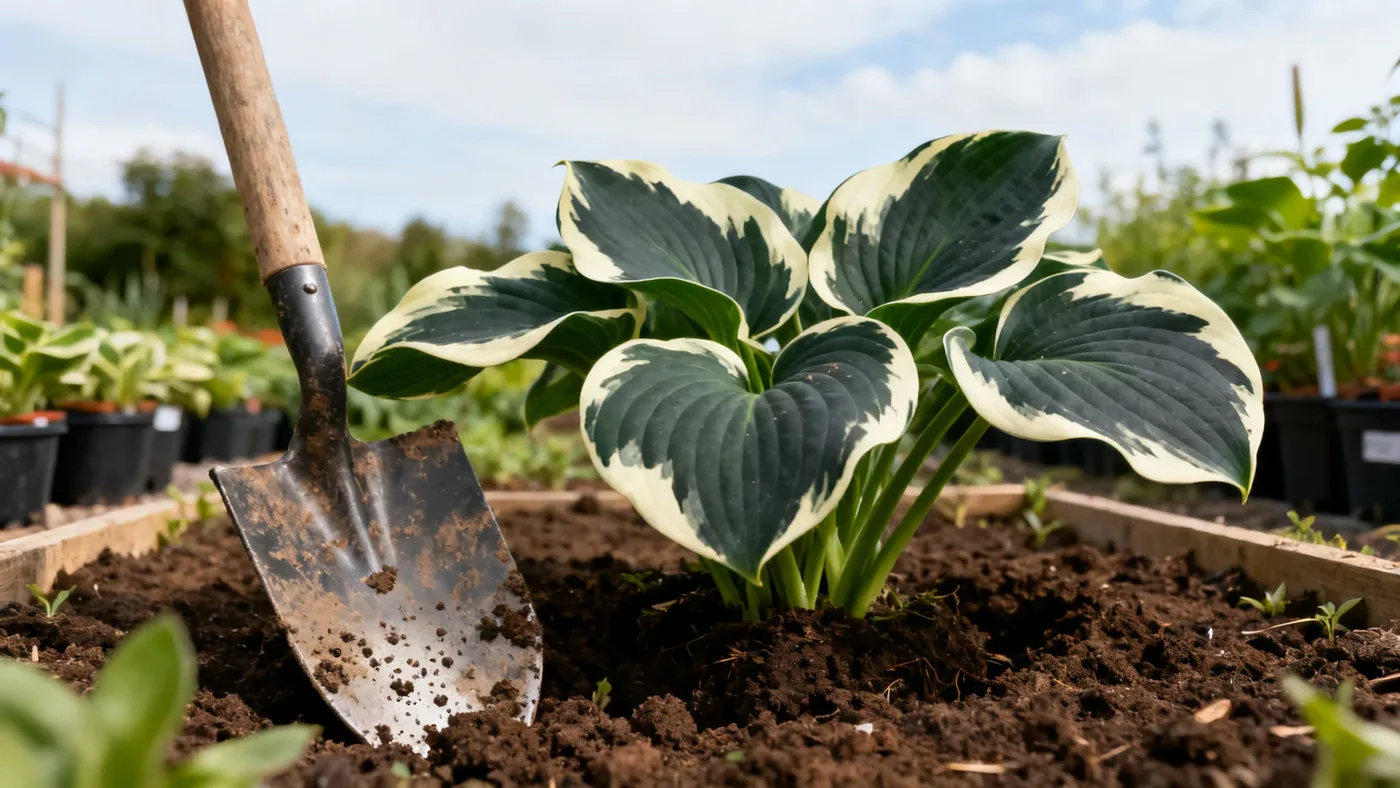
Plantation Lily (Hosta 'Patriot') is a stunning foliage plant that adds texture and color to shade gardens. Pet owners and parents need to know one important fact: this plant is toxic if ingested by dogs, cats, and people. We've gathered the most common questions about safety, symptoms, and prevention strategies so you can make an informed choice about growing it in your home garden.
Toxicity for Dogs
Is Plantation Lily toxic to dogs?
Yes, Plantation Lily is toxic to dogs if ingested. The plant contains compounds that can cause gastrointestinal upset and lethargy when a dog eats any part of it. Even though the plant grows in yards and gardens, it should be kept away from curious dogs who might chew or nibble on the leaves or stems.
What happens if my dog eats Plantation Lily?
If your dog ingests Plantation Lily, the most common symptoms are vomiting, diarrhea, and lethargy (loss of energy and enthusiasm). The severity depends on how much of the plant your dog ate and your dog's size and health. Contact your veterinarian or poison control right away if you suspect ingestion.
Can a small nibble hurt my dog?
Even a small amount of Plantation Lily can cause symptoms in some dogs. Since individual sensitivity varies and reactions depend on the amount eaten and your dog's weight, it's best not to assume that a tiny nibble is harmless. Monitor your dog closely for any signs of vomiting or digestive upset after any exposure.
Are all parts of the plant toxic to dogs?
Yes, all parts of the Plantation Lily plant are toxic if eaten, including the leaves, stems, and flowers. Dogs cannot distinguish between safe and unsafe plants, so it's essential to prevent access to the entire plant rather than just certain portions.
How quickly do symptoms appear after a dog eats Plantation Lily?
Symptoms typically develop within hours of ingestion, though the exact timing can vary. If you know your dog has eaten the plant, begin watching for vomiting or diarrhea, and contact your vet immediately rather than waiting to see if symptoms develop.
Is Plantation Lily more dangerous than other common houseplants?
Plantation Lily toxicity is moderate compared to highly toxic plants like lilies (Lilium species) or sago palms, but it is still a genuine concern. The main risk is that the plant's large leaves and easy accessibility in shade gardens make it tempting for dogs to investigate.
Toxicity for Cats
Is Plantation Lily toxic to cats?
Yes, Plantation Lily is toxic to cats if ingested. Like dogs, cats that eat any part of this plant may experience vomiting, diarrhea, and lethargy. Since cats are often more cautious about what they eat than dogs, poisoning incidents are less common, but the toxin is present nonetheless.
What symptoms should I watch for in cats?
If your cat has eaten Plantation Lily, watch for vomiting, diarrhea, reduced appetite, and tiredness. These symptoms typically appear within a few hours and warrant an immediate call to your veterinarian.
Are indoor cats at risk if I grow Plantation Lily as a houseplant?
Yes, indoor cats are at risk if you keep Plantation Lily in your home. Even though the plant is primarily grown as a shade garden plant, its heart-shaped leaves and size make it a potential hazard in indoor settings. If you have cats, it's safest to avoid growing this plant indoors.
Do cats naturally avoid plants that are toxic?
Most cats are more selective eaters than dogs and may instinctively avoid toxic plants. However, younger cats or those with behavioral issues may still investigate or chew on foliage out of curiosity or boredom. Do not rely on your cat's natural avoidance to keep it safe from Plantation Lily.
Safety for Children
Is Plantation Lily safe to grow around children?
Plantation Lily is not recommended for households with young children who might put plant material in their mouths. While the plant is not a recognized human food source and should never be eaten, contact with the plant is safe for older children who understand not to taste it.
What if my child eats a leaf?
Contact your pediatrician or poison control immediately if your child ingests any part of Plantation Lily. While the plant's toxins are primarily a concern for pets and young children, it's important to seek professional advice before assuming it's harmless.
Can children touch or handle the plant safely?
Yes, children can safely touch and handle Plantation Lily leaves and stems without harm. The toxicity concern only arises if the plant material is eaten. Teach children that the plant is for looking at and touching, not tasting.
Are the flowers of Plantation Lily dangerous to children?
The pale lavender flowers that bloom in mid to late summer should also not be eaten, though casual contact or touching is safe. The flowers are not fragrant and are primarily attractive for their appearance in the garden.
Symptoms and When to Seek Help
What are the main signs of Plantation Lily poisoning?
The primary signs are vomiting, diarrhea, and lethargy (loss of energy). These symptoms indicate that the plant has been ingested and the digestive system is reacting to the toxins.
How serious is Plantation Lily poisoning?
Plantation Lily poisoning is typically moderate in severity and rarely life-threatening if treated promptly. Most dogs and cats recover well with supportive veterinary care, though dehydration from vomiting and diarrhea can become serious if not managed.
When should I call the vet if my pet ate the plant?
Call your veterinarian immediately if you see your pet eat any part of Plantation Lily or if symptoms like vomiting or diarrhea appear. Do not wait to see how severe symptoms become; early treatment is always the safest approach.
Is there an antidote for Plantation Lily poisoning?
There is no specific antidote for Hosta toxicity. Treatment is supportive and focuses on managing symptoms such as vomiting and diarrhea, maintaining hydration, and monitoring kidney function. Your vet will recommend the best course of action based on your pet's individual case.
Prevention and Safe Growing Practices
How can I protect my dog from Plantation Lily?
The most effective strategy is to plant Plantation Lily in a fenced area of your yard where your dog cannot access it, or to avoid growing it if your dog has a habit of chewing plants. Consistently supervising your dog in the garden and training it not to eat plants are additional safeguards.
Where should I plant Plantation Lily if I have pets?
Plant Plantation Lily in a raised bed, container, or fence-protected area away from your dog's roaming space. The plant grows 18 to 24 inches tall and spreads 24 to 36 inches over time, so choose a location with adequate shade (part shade to full shade) and good drainage, as outlined in our Plantation Lily care guide.
Can I grow Plantation Lily in a container to keep it safe?
Yes, Plantation Lily thrives in large containers with good drainage and consistent moisture. Placing the container on a high shelf or in a location your pets cannot reach effectively eliminates the risk while allowing you to enjoy this striking foliage plant.
Is it safe to handle Plantation Lily when pruning or dividing?
Yes, handling the plant during pruning, deadheading spent flowers, or division in early spring or early fall is completely safe for people. Wear gloves if you have sensitive skin, but the plant poses no toxicity risk through skin contact.
What should I do with plant trimmings from Plantation Lily?
Dispose of pruned leaves, stems, and flowers in yard waste rather than a compost pile that pets might access. If you maintain a compost pile, ensure it's in a location where dogs and cats cannot dig through it and potentially ingest plant material.
Can I prevent my dog from eating Plantation Lily through training alone?
Training can help, but it's not reliable as a sole prevention strategy, especially with young or persistent dogs. Physical barriers such as fencing or containers are far more effective than relying on your dog's obedience around a toxic plant.
General Questions
Are all Hosta varieties toxic, or just Plantation Lily?
Hosta toxicity is a documented concern across the genus if ingested, so it's best to treat all Hosta plants as toxic if you have pets or young children. If you must avoid hostas entirely, consider non-toxic shade plant alternatives such as ferns, astilbe, heuchera, or brunnera.
Is Plantation Lily worth growing if I have pets and young children?
If you have a secure, pet-free area of your garden or if you're willing to grow it in containers placed out of reach, Plantation Lily is a rewarding choice for its striking variegated foliage and shade tolerance. However, if your household has curious pets or toddlers who explore freely, choosing a non-toxic shade plant is the safer option.
Quick Reference: Pet and Child Safety Checklist
| Scenario | Safe? | Notes |
|---|---|---|
| Dog or cat ingests leaves or stems | No | Call vet immediately; symptoms include vomiting, diarrhea, lethargy |
| Child touches plant leaves (no eating) | Yes | Contact is safe; ingestion is the concern |
| Pet brushes against the plant outdoors | Yes | No toxicity through skin or fur contact |
| Growing in a fenced or pet-free garden area | Yes | Safe if pets have no access to the plant |
| Growing in a high container indoors | Yes | Safe if placed out of pet and child reach |
| Handling during pruning or division | Yes | Toxins only pose risk if ingested, not through handling |
| Compost pile containing cut plant material | No | Dispose of plant trimmings in yard waste, not compost pets can access |
| Growing alongside non-toxic shade companions | Yes | Ferns, astilbe, heuchera, brunnera are safe alternatives or companions |